
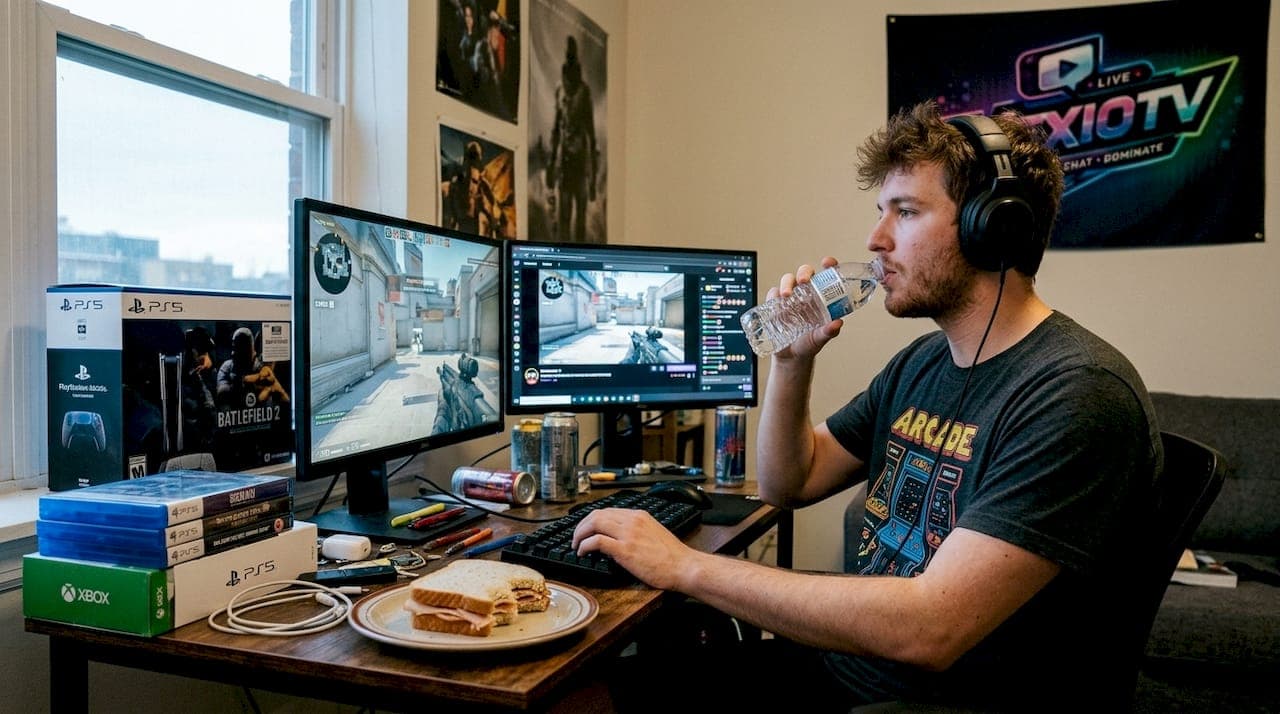
Streaming has moved far beyond a niche hobby. Today, 70% of Twitch viewers consider gaming fandom part of their everyday life, not just weekend entertainment. Platforms like Twitch and YouTube Gaming have turned solo play into a global spectator activity, pulling millions of viewers into shared experiences every day. This shift affects how games are made, how players connect, and how careers are built. This article covers the cultural shifts streaming has driven, how communities form, what the data says about platform growth, and what the real costs and benefits look like for streamers and viewers alike.
Table of Contents
- Streaming platforms: Creating a new gaming community
- How streaming breathes life into games and careers
- Streaming trends and platform comparisons
- Viewer interaction: Parasocial relationships, monetization, and gamified support
- The double-edged sword: Challenges and controversy in streamer culture
- Why streaming's evolution is reshaping gaming for good and bad
- Discover more and join gaming's streaming revolution
- Frequently asked questions
Key Takeaways
| Point | Details |
|---|---|
| Community engagement | Streaming platforms foster real-time interaction and collective fandom, making gaming a shared activity. |
| Game longevity | Streaming breathes new life into older and indie games, helping them reach wider audiences and extend their relevance. |
| Monetization and risk | Viewer donations and gamified mechanics create new revenue, but streamers face challenges like burnout and income instability. |
| Platform influence | Comparing leading platforms, Twitch and YouTube set trends for community building and engagement benchmarks. |
| Editorial perspective | Streaming’s evolution brings both cultural enrichment and new pressures, reshaping how games are designed and played. |
Streaming platforms: Creating a new gaming community
Streaming platforms have changed what it means to play a game. Watching someone else play is no longer passive. Viewers type in live chat, vote on decisions, and react in real time alongside thousands of others. This turns a solo activity into a shared event.
Streaming platforms like Twitch have revolutionized gaming culture by fostering community engagement through real-time interaction, chat participation, and shared experiences. The result is a fandom culture where viewers return daily, not just for the game, but for the community around it.
Live streaming communities now function like digital gathering spaces. Regulars recognize each other. Inside jokes form. Streamers remember usernames. These small moments build loyalty that goes well beyond any single game.
Here is what drives community engagement on streaming platforms:
- Real-time chat lets viewers react instantly and feel heard
- Shared viewing moments create collective memory around big plays or fails
- Streamer personalities give communities a consistent identity
- Recurring schedules make streaming a daily ritual for many viewers
"The community aspect of streaming is what keeps viewers coming back. It is not just about the game. It is about belonging to something."
Twitch streamer roles have also evolved. Streamers now act as community leaders, entertainers, and even counselors for their audiences. Broadcasting and watching have become daily rituals for millions of gamers worldwide.
How streaming breathes life into games and careers
Streaming does more than entertain. It extends the life of games and creates real career paths. An older title can find a brand new audience when a popular streamer picks it up. Games that launched years ago regularly trend on Twitch after a single viral stream.
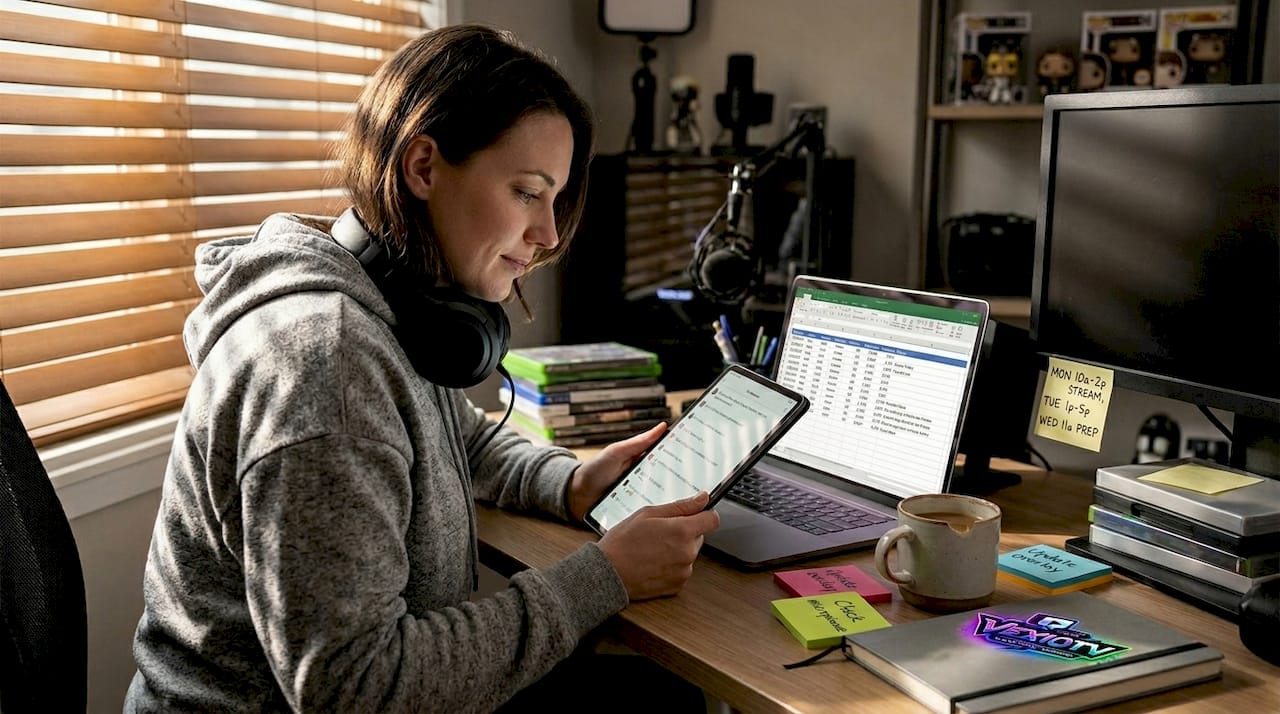
Streaming extends game lifespans, aids consumer decisions, and boosts indie game visibility and innovation. For indie developers with no marketing budget, a single streamer with a loyal audience can drive thousands of downloads overnight.
Streaming as a career now includes multiple revenue streams:
- Subscriptions from loyal viewers
- Donations and tips during live sessions
- Sponsorships and brand deals
- Ad revenue from platform programs
- Merchandise and affiliate sales
The streamer marketing influence on game sales is now recognized by major publishers. Many studios now build streamer outreach directly into their launch strategy. A game that gets picked up by the right creator can outsell one with a traditional ad campaign.
For community building, streaming also creates feedback loops. Viewers suggest games, streamers play them, developers watch the reactions. This cycle shortens the distance between player and creator.
Pro Tip: Collaborate with other streamers in your genre. Cross-streaming and co-streams expose your content to established audiences and extend the visibility of the games you cover.
Streaming trends and platform comparisons
The numbers behind streaming tell a clear story. In Q3 2025, live streaming reached 9.6 billion hours watched across all platforms. Twitch led with 4.6 billion hours, holding a 48.1% share. YouTube Gaming followed with 2.5 billion hours, up 29% year over year. These figures show that the market is growing and competition is intensifying.
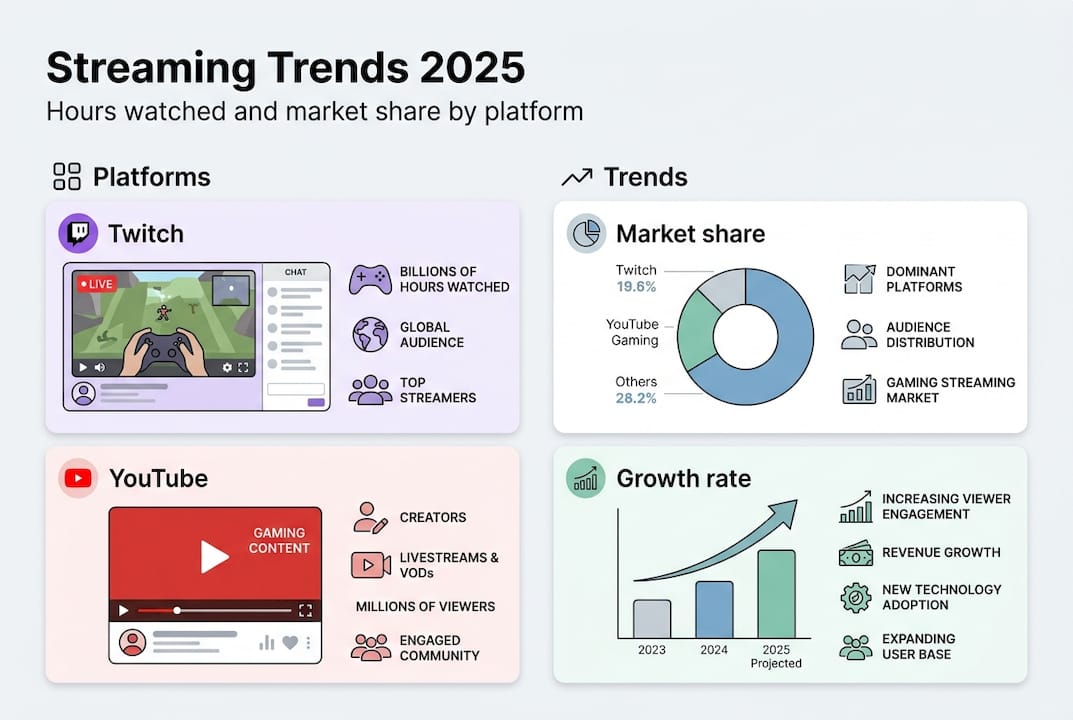
| Platform | Q3 2025 hours watched | Market share | YoY growth |
|---|---|---|---|
| Twitch | 4.6B | 48.1% | Stable |
| YouTube Gaming | 2.5B | ~26% | +29% |
| Other platforms | ~2.5B | ~25.9% | Varied |
YouTube vs. Twitch stats reveal key differences that affect how streamers choose their platform. YouTube Gaming benefits from search discoverability and VOD (video on demand) performance. Twitch still leads in live engagement and community culture.
Here are the key factors streamers consider when choosing a platform:
- Audience size and discoverability on each platform
- Revenue share and monetization thresholds
- Community tools like raids, subscriptions, and channel points
- Exclusivity deals and platform incentives
- Multi-streaming options for reaching multiple audiences at once
Many top creators now multi-stream across platforms simultaneously. This approach maximizes reach but requires solid stream setup tips and reliable tools to manage multiple feeds without quality loss. Platform choice increasingly depends on where a streamer's specific audience already spends time.
Viewer interaction: Parasocial relationships, monetization, and gamified support
The bond between viewer and streamer is one of streaming's most studied dynamics. Viewers often feel a genuine connection to streamers they have never met. This is called a parasocial relationship, where one party invests emotionally in someone who does not know them personally.
Parasocial connections drive donations, explaining 33.7% of the variance in donation behavior. Viewers give money not just to support content, but because they feel a sense of loyalty and belonging.
| Interaction type | Purpose | Platform example |
|---|---|---|
| Bits and cheers | Micro-donations during live chat | Twitch |
| Subscriptions | Monthly recurring support | Twitch, YouTube |
| Viewer voting | Influence in-game decisions | Twitch polls |
| Challenges | Viewer-set tasks for streamers | Multiple platforms |
This interactive stream engagement model keeps viewers coming back. Gamified support mechanics reward consistent participation. Viewers earn badges, unlock emotes, and gain status within a community by staying active.
"Viewers are not just watching. They are participating in a shared narrative, and that participation has real monetary value for creators."
The parasocial relationships research shows these bonds are strongest when streamers are consistent, responsive, and authentic. Authenticity is the key driver of trust, and trust converts to financial support.
Pro Tip: Set clear boundaries with your audience. Acknowledge your community without letting parasocial pressure push you into oversharing or unsustainable interaction levels.
The double-edged sword: Challenges and controversy in streamer culture
Streaming creates opportunity, but it also creates real problems. The streamer community impact is not always positive. Revenue is heavily concentrated at the top. The top 1% of streamers earn roughly half of all platform revenue, leaving the majority with very little.
The gig economy structure of streaming leads to income instability, burnout, and over-monetization issues that affect both creators and their communities. Streamers often work long hours with no guaranteed income, no benefits, and no safety net.
Key challenges in streamer culture include:
- Income instability from algorithm changes and shifting viewer habits
- Burnout from daily streaming schedules and audience pressure
- Over-monetization that can erode viewer trust
- Herd mentality where creators chase trending games instead of original content
- Platform dependency where one policy change can end a career
"Top 1% of streamers earn half the total platform revenue."
The emotional toll is real. Many full-time streamers report anxiety, exhaustion, and identity issues tied to their online persona. When a stream fails to perform, it can feel deeply personal. The line between work and self becomes blurred in ways that traditional jobs rarely create.
Over-monetization is another growing concern. When streams become saturated with ads, donation alerts, and sponsor reads, the viewing experience suffers. Audiences notice when content feels like a sales pitch, and they leave.
Why streaming's evolution is reshaping gaming for good and bad
Most coverage of streaming focuses on its growth numbers or its biggest stars. What gets less attention is how streaming is now shaping the games themselves. Developers increasingly design games for spectator appeal, prioritizing moments that look exciting on stream over deep solo narrative experiences. This is a real shift in game design philosophy.
The concern is that narrative-driven, single-player titles may get less investment because they do not generate the same streaming moments as competitive or multiplayer games. A game that is great to play alone may not be great to watch, and that now affects whether it gets funded.
On the positive side, streaming has democratized access to gaming culture. Anyone with a setup and an internet connection can build an audience. Donation motivation research shows that relational satisfaction drives support behavior, with Latin American audiences showing some of the strongest donation drivers globally. This tells us that streaming culture is not uniform. It adapts to local community values.
The stimulus-organism-response model, which describes how platform features trigger emotional states that lead to viewer actions, now defines how gaming engagement works. Platforms are designing for streaming audiences at every level, from notification systems to game recommendation algorithms. The result is a more connected but also more commercially driven gaming world. Both outcomes are real, and both deserve attention.
Discover more and join gaming's streaming revolution
Streaming has fundamentally changed gaming culture, community, and careers. The data is clear, and the trends are accelerating. If you want to be part of this shift, having the right platform matters.
VexioTV gives gamers and streamers a dedicated space to go live, build a community, and earn from their content. The platform is built for creators who want straightforward tools without the noise. Whether you are starting out or scaling up, VexioTV offers the features and community infrastructure to support your streaming goals. Sign up, go live, and connect with an audience that is ready to engage.
Frequently asked questions
What makes streaming platforms like Twitch different from traditional gaming?
Streaming platforms enable real-time interaction, collective viewing, and direct participation, transforming gaming into a community-driven spectator experience. 70% of viewers consider gaming fandom part of their daily life, which traditional gaming never achieved.
How does streaming help indie games gain visibility?
Streaming connects indie games directly with audiences and influencers, often leading to increased discoverability and sales. Streaming boosts indie visibility and innovation by giving small developers access to large, engaged audiences at no cost.
What are the biggest challenges faced by streamers?
Streamers face income instability, burnout, and over-monetization due to the gig economy structure of streaming platforms. The gig economy structure creates significant financial and emotional pressure for most creators.
How do viewers engage with streamers beyond chat?
Viewers participate through donations, voting in games, and gamified support methods like bits and subscriptions, creating ongoing engagement loops that go well beyond passive viewing.