
TL;DR:
- Exclusive music streaming fosters direct artist-fan connections by rewarding loyalty and creating new revenue sources.
- While beneficial when used thoughtfully, excessive exclusivity can fragment audiences and hinder discovery, requiring careful balance.
Exclusive music streaming gets a bad reputation for limiting access, but that framing misses what it actually does. The real question of why stream exclusive music comes down to this: exclusives create something mass distribution cannot. They build direct relationships between artists and fans, reward loyalty, and open revenue channels that general streaming pools never reach. Whether you listen to music or make it, understanding how exclusives work changes how you think about the digital music space entirely.
Table of Contents
- Key takeaways
- Why stream exclusive music: context and evolution
- Benefits of streaming exclusive music for fans and artists
- Challenges and criticisms
- Comparing exclusive streaming strategies
- Practical advice for fans and aspiring artists
- My take on exclusive streaming
- How Vexiotv supports your music streaming goals
- FAQ
Key takeaways
| Point | Details |
|---|---|
| Exclusives reward loyal fans | Gating tracks behind follows or subscriptions gives superfans first access and stronger artist connections. |
| Artists gain new revenue paths | Exclusive content creates earnings outside the pro-rata royalty pool that disadvantages niche artists. |
| Platforms use exclusives for retention | Fans who engage with exclusive content spend more time and money on a platform over time. |
| Exclusivity windows shape release strategy | Timed exclusives let artists build hype with core audiences before opening to the wider public. |
| Balance matters for artists | Too much gating can limit discovery, so exclusives work best as part of a broader release plan. |
Why stream exclusive music: context and evolution
Streaming now accounts for the majority of global music consumption. The shift from downloads and physical sales to subscription services reshaped how artists release music and how fans find it. Early streaming was purely about access. Get everything, everywhere, for a flat monthly fee. That model worked for casual listeners but created a problem for artists with dedicated fanbases and for platforms fighting to stand out.
Exclusive content became the answer. Platforms and artists both recognized that not all listeners are equal. A superfan who follows an artist closely, buys merchandise, and shows up to shows is worth far more than a passive listener who plays one song once. Exclusives gave both sides a way to recognize and act on that difference.
A few forces accelerated this shift:
- Streaming platforms competing for subscribers needed differentiated content that could not be found elsewhere
- Artists needed tools to build direct relationships beyond algorithmic playlist placements
- The rise of music streaming made discovery easier but personal connection harder
- Superfans wanted more than just audio. They wanted belonging, access, and recognition
The Apple Music and TikTok integration is a clear example of how platforms use exclusivity to shape the discovery-to-engagement funnel. Paid Apple Music subscribers can play full-length songs inside TikTok, converting casual scrolling into royalty-generating streams. That is not just a feature. It is a strategic positioning move.
SoundCloud took a different approach by focusing on the artist-fan relationship directly. Their Follower Exclusive Releases let artists gate tracks behind a follow, giving early access to engaged listeners before a wider release. The result is a more personal, community-first release experience.
Pro Tip: If you are an aspiring artist, look at how major platforms structure their exclusive deals before signing anything. Understanding the terms, especially around exclusivity windows and royalty calculations, protects your catalog and your income.
Benefits of streaming exclusive music for fans and artists
The case for exclusive music streaming advantages is strong on both sides of the equation. Fans get access to content no one else has. Artists get tools to monetize loyalty and build tighter communities. Platforms get better retention numbers. Everyone benefits when exclusives are done right.
Here is how the value breaks down:
-
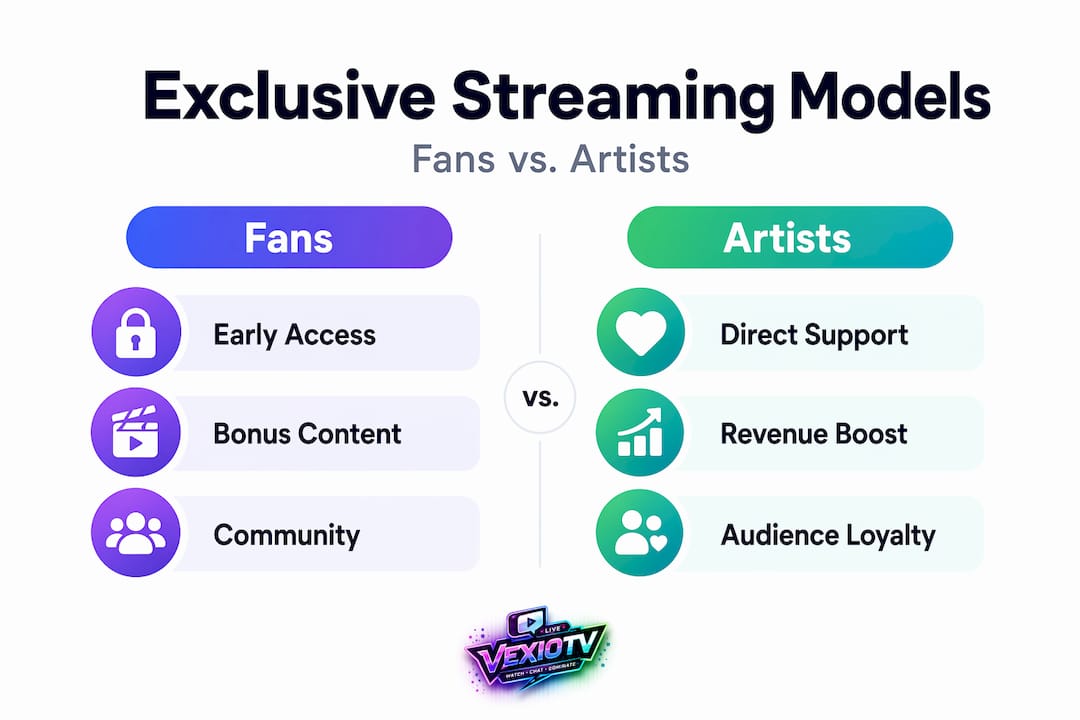
Superfans get rewarded directly. Early access, bonus tracks, and behind-the-scenes content give dedicated fans something meaningful. Fans spend $71 per month and watch significantly more content daily than non-fans. Exclusives give them a reason to stay engaged year-round, not just at album release time.
-
Artists build real communities. SoundCloud's follower-gated release model lets artists test new music with core audiences and gather genuine feedback before a full public launch. That is qualitatively different from releasing into an algorithm and waiting for data.
-
Revenue diversification becomes possible. The standard pro-rata royalty pool pays artists based on share of total streams. A niche artist with a fiercely loyal following still gets a tiny slice if their overall stream count is low. Exclusives create separate monetization channels where fans can directly support artists through gated access, premium subscriptions, or follower-only content.
-
Platform retention improves. Platforms that nurture fandom through exclusive content increase both lifetime value and listener loyalty. A subscriber who feels like they get something special is less likely to cancel than one using the service only for background music.
-
Release strategy becomes more precise. Exclusivity windows let artists create a tiered rollout. Core fans hear it first. Broader audiences get it later. This approach builds hype organically and gives artists data about which songs resonate most before committing to promotional spending.
"Exclusive content is not just about restricting access. It is about controlling the discovery-to-engagement conversion funnel and strengthening the artist-fan connection at every step." This principle is what separates smart use of exclusives from simple gatekeeping.
The importance of exclusive music in this context is practical. It turns passive listeners into invested community members.
Challenges and criticisms
Not every argument about exclusive music streaming advantages lands cleanly. There are real friction points worth understanding before you commit as a fan or an artist.
The main criticisms:
- Fragmentation frustrates fans. When different artists release exclusives on different platforms, fans end up paying for multiple subscriptions just to access their favorite artists. That adds up fast and creates real inconvenience.
- Discovery suffers. When tracks are gated, they do not appear in public playlists or algorithmic recommendations. New listeners who would have become fans may never find the music at all.
- The royalty model complicates things further. Streaming's pro-rata system pools royalties, meaning a star commanding 10% of total streams receives 10% of the pool regardless of what individual fans actually paid. Exclusives try to work around this, but they introduce their own complexity around licensing and platform agreements.
- Fan fatigue is real. If an artist gates too much content, followers may feel manipulated rather than rewarded. The line between offering value and demanding payment for basic access is thin.
- Platform power dynamics favor large acts. Major labels and established artists negotiate better exclusive deals. Independent artists often get less favorable terms, which can offset the monetization benefits.
Pro Tip: As an artist, limit exclusive content to 20 to 30 percent of your total releases. This preserves discovery potential while still giving your core fans something special. Heavy gating of your entire catalog risks shrinking your audience over time.
Understanding these trade-offs is part of knowing why choose exclusive music strategies carefully rather than applying them blindly.
Comparing exclusive streaming strategies
Not all exclusives work the same way. The model you choose, or the one a platform offers, shapes the outcome significantly for both artists and fans.
| Strategy | Who benefits most | Pros | Cons |
|---|---|---|---|
| Timed early access | Superfans and artists | Builds hype, rewards loyalty before wide release | Limited window may frustrate fans who find out late |
| Permanent platform exclusive | Platform | Drives subscriptions, differentiates catalog | Locks out fans on other services permanently |
| Follower-gated releases | Artists and core fans | Direct community building, organic feedback loop | Limits discovery for non-followers |
| Exclusive bonus content | All parties | Adds value without restricting main release | Requires ongoing content creation investment |
| Cross-platform exclusive integration | Platforms and artists | Broader reach, converts discovery into paid streams | Complex licensing and limited artist control |
SoundCloud's follower-exclusive model, used notably by Chris Stussy for early album access in 2026, is a strong example of follower-gated releases done well. It rewards genuine fans without permanently excluding casual listeners. The track eventually becomes available to everyone. The exclusivity serves a time-bound relationship purpose.
The Apple Music and TikTok integration sits in the cross-platform category. It does not restrict the music. Instead, it creates a premium experience layer on top of an existing discovery platform. Both models reflect different answers to the same question: what does exclusivity actually need to accomplish?
Practical advice for fans and aspiring artists
Knowing why to stream exclusive music is one thing. Knowing how to act on that knowledge is another.
For music fans:
- Follow artists directly on platforms that support follower-exclusive releases. A follow costs nothing and often unlocks early access or bonus content you would otherwise miss.
- Check platform-specific perks before subscribing. Some services offer exclusive integrations, like full-song playback inside social apps, that change the listening experience meaningfully.
- Engage with artist communities tied to exclusive releases. The comment sections and fan spaces around exclusive drops tend to be far more active and direct than general social media.
- Use multiple platforms only when it genuinely serves the artists you care most about. Paying for two services to support two artists you love is reasonable. Paying for five services to access scattered exclusives is not sustainable.
For aspiring artists:
- Start with follower-gated releases on platforms that support them. This gives you real data on your most engaged listeners before you invest in broader marketing.
- Use music streaming strategies to plan your exclusivity windows around release milestones, not randomly.
- Keep your core catalog publicly available. Reserve exclusives for bonus tracks, early access, and alternate versions rather than your primary releases.
- Track engagement metrics from exclusive releases separately. This tells you whether your superfan community is growing, not just your total stream count.
- Explore streaming monetization options beyond the standard royalty pool. Exclusive content is one of the few tools that lets you create separate revenue pathways tied to genuine fan intent rather than passive listening.
The streaming unique music options available today give artists more control than they had five years ago. Using that control deliberately, based on actual fan behavior, separates artists who grow communities from those who just accumulate streams.
My take on exclusive streaming
I've watched the exclusive music conversation go in circles for years. Half the discourse treats exclusives as a corporate strategy to extract money from fans. The other half presents them as a magic fix for broken royalty economics. Both miss the point.
What I've found is that exclusives work when they reflect an actual relationship. Chris Stussy giving followers first access to album tracks is meaningful because it acknowledges that some fans invested their attention before the algorithms did. That is worth recognizing. When a label gates a mainstream album on one platform purely for subscriber acquisition, it is a different thing entirely. Same mechanic, completely different purpose.
In my view, the artists who will benefit most from exclusive streaming are the ones who think about it as a communication tool first and a revenue tool second. Fans seek year-round engagement rather than episodic drops. Exclusives that feed that need, rather than just restrict access, build the kind of loyalty that survives platform changes and algorithm shifts.
The future of exclusives will likely move further toward community-based models. Live streams, direct fan engagement, and real-time exclusive content will matter more than static track gating. Artists and fans who understand that now will be better positioned as the space continues to shift.
— M7
How Vexiotv supports your music streaming goals
If you are an artist looking to build a real fanbase or a music fan who wants more than passive listening, Vexiotv is worth your attention. The platform is built for creators who want to go live, connect with audiences in real time, and earn from their content without complicated setup.
Vexiotv gives artists a direct channel to their communities through live streaming. You can perform, share exclusive content in real time, and build the kind of ongoing engagement that exclusive music thrives on. For fans, it means direct access to creators you actually care about. Explore music engagement and income tools on the Vexiotv blog, or go directly to vexiotv.com to sign up and start streaming. The tools are there. The community is growing.
FAQ
What is exclusive music streaming?
Exclusive music streaming means a track or release is only available on one platform or to a specific group of listeners, such as followers or paying subscribers. This limits where and when others can access the content.
Why stream exclusive music as a fan?
Streaming exclusive music as a fan gives you early access to tracks, bonus content, and a closer connection to the artists you support. Platforms with exclusive deals often offer features like full-song playback in social apps that regular listeners do not get.
How do exclusives help artists earn more money?
Exclusive releases create revenue pathways outside the standard pro-rata royalty pool. Separate willingness-to-pay experiences let artists capture income from dedicated fans rather than sharing a diluted pool with every stream on the platform.
What is a follower-exclusive release?
A follower-exclusive release gates a track behind a follow, meaning only people who follow the artist on that platform can access the music. SoundCloud uses this model to let artists reward their most engaged listeners with early track access before a wider public release.
Can exclusive music streaming hurt an artist's reach?
Yes. Heavy gating can limit discovery by keeping tracks out of public playlists and algorithmic recommendations. The best approach balances exclusivity for core fans with broad availability for the main catalog so new listeners can still find the music.