
TL;DR:
- Live music in streams enhances emotional engagement and viewer retention.
- Professional audio and strategic content integration boost production quality and monetization.
- Hybrid and direct-to-fan models increase audience interaction, loyalty, and revenue for artists.
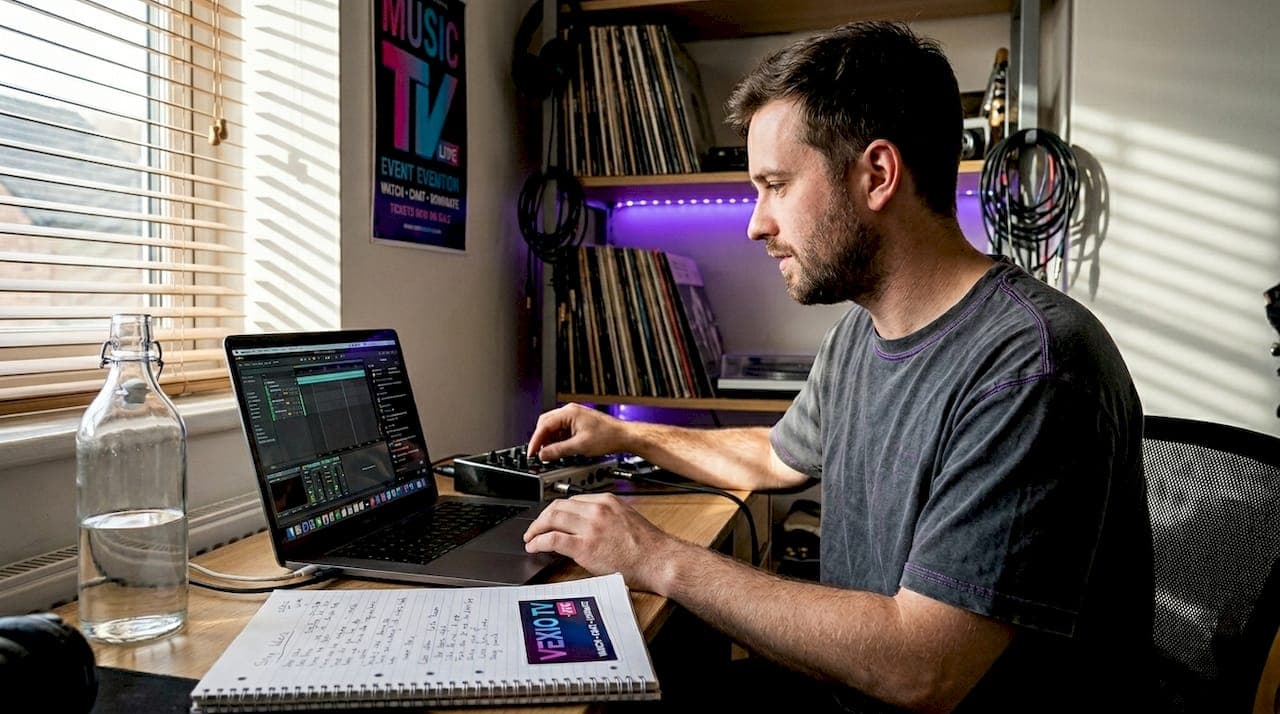
Music on live streams is not background noise. It is a tool that drives how viewers feel, how long they stay, and how much they spend. Research shows that live music yields stronger emotional and physiological responses than prerecorded content, yet most artists treat their stream audio as an afterthought. This guide covers how music choices, delivery methods, and engagement tactics help you connect with your audience and earn real income as a streaming artist.
Table of Contents
- Why music matters in streaming success
- Essential tech setup for streaming music
- Different streaming models and their impact
- Maximizing interaction and monetization in music streams
- The real art of music streaming: What most miss
- Launch your next-level music streaming journey
- Frequently asked questions
Key Takeaways
| Point | Details |
|---|---|
| Music creates engagement | Music choices drive stronger emotional response and viewer loyalty during streams. |
| Tech setup matters | Quality audio, video, and a stable connection lay the foundation for successful music streaming. |
| Hybrid and direct models win | Hybrid and direct-to-fan platforms can outperform traditional models in revenue and fan connection. |
| Monetization needs strategy | Bundling tickets, subscriptions, and exclusive merch boosts artist earnings during streams. |
Why music matters in streaming success
Music sets the tone for everything that happens in a live stream. The tempo of a song affects how quickly viewers scroll through a chat. A dramatic build in a live performance holds attention at the moment you need it most. Volume, energy, and genre all send signals to your audience about what kind of stream they have entered. Artists who treat these choices as intentional decisions see better results than those who simply play whatever is nearby.
The emotional impact of music in a live context is measurable. Research shows that live appreciation, arousal, and heart rate all increase when audiences experience live music compared to streamed recordings. This matters directly for streaming because viewers who feel more engaged are more likely to comment, share, and spend money during a stream. Physiology translates into behavior.
Here is what a well-structured music streaming strategy does for you:
- Increases average watch time by keeping viewers invested in what comes next
- Drives impulse purchases of merch and virtual tickets when music creates emotional peaks
- Builds a recognizable identity that pulls returning viewers back to your channel
- Opens doors to multiple revenue channels beyond passive streams
The financial reality is harder. Streaming payouts average ~0.33 cents per stream on major platforms, and those platforms favor established acts with large catalogs and marketing budgets. An independent artist releasing one album will not generate meaningful income from royalties alone. The opportunity lies elsewhere.
"Direct-to-fan platforms give artists ownership of their data and relationships, which is something algorithm-driven platforms never offer."
Why streaming is popular with modern audiences comes down to access and immediacy. Artists who understand that shift can use it. Instead of relying on royalties, you build revenue through live interaction. Instead of depending on an algorithm to distribute your music, you own the relationship with your fans.
The illusion that any background music is good enough is exactly that: an illusion. Every audio choice is either working for you or working against you. Quiet background tracks during a Q&A segment keep energy low and calm. An upbeat original song during a merch reveal creates excitement and urgency. These are deliberate moves, not accidents.
Essential tech setup for streaming music
Professional audio quality is not optional for music artists. Viewers tolerate poor video quality more than they tolerate distorted or muddy audio. If your music sounds bad, people leave. Setting up your streaming environment correctly from the start prevents technical issues from undercutting your performance.
Here is a direct comparison of basic versus professional setups:
| Component | Basic setup | Professional setup |
|---|---|---|
| Computer | 8GB RAM, dual-core CPU | 16GB RAM, quad-core CPU or better |
| Audio interface | None (built-in mic) | Focusrite Scarlett 2i2 or equivalent |
| Microphone | Laptop mic or USB mic | XLR condenser or dynamic mic |
| Camera | Webcam (720p) | DSLR or mirrorless (1080p or 4K) |
| Internet | Wi-Fi (variable speed) | Wired Ethernet, 15 Mbps upload minimum |
| Software | Platform native tools | OBS Studio with plugins |
| Monthly cost estimate | $0 to $50 | $200 to $800 (one-time hardware) |
Follow these steps to build a reliable setup:
- Choose your computer and software. Use OBS Studio for multi-camera setups and scene switching. It is free, widely supported, and handles complex audio routing without additional cost.
- Install an audio interface. Digital audio interfaces like Focusrite Scarlett convert your instrument or microphone signal into a clean digital feed. This single upgrade makes the biggest difference in audio quality.
- Set up your camera. One camera is enough to start. Position it at eye level. A second angle for your instrument or hands adds production value for music streams specifically.
- Secure your internet connection. A wired Ethernet upload above 15Mbps is the baseline for stable streaming. Wi-Fi introduces packet loss that causes audio glitches at the worst possible moments.
- Set your bitrate. Aim for 6000kbps for 1080p video streaming. Lower bitrates compress audio noticeably, which defeats the purpose of having quality gear in the first place.
Pro Tip: Run a test stream privately before every live session. Check your audio levels, camera focus, and internet speed. A five-minute pre-show check prevents the kind of technical failures that push viewers away permanently.
Review streaming best practices before your first session and revisit the live streaming setup guide if you need step-by-step instructions for configuring OBS and your hardware together.
Viewer retention directly correlates with production quality. Streams with clear audio and stable video hold viewers for longer sessions. Longer sessions mean more interaction, more organic sharing, and more opportunities to monetize. The gear investment pays back faster than most artists expect.
Different streaming models and their impact
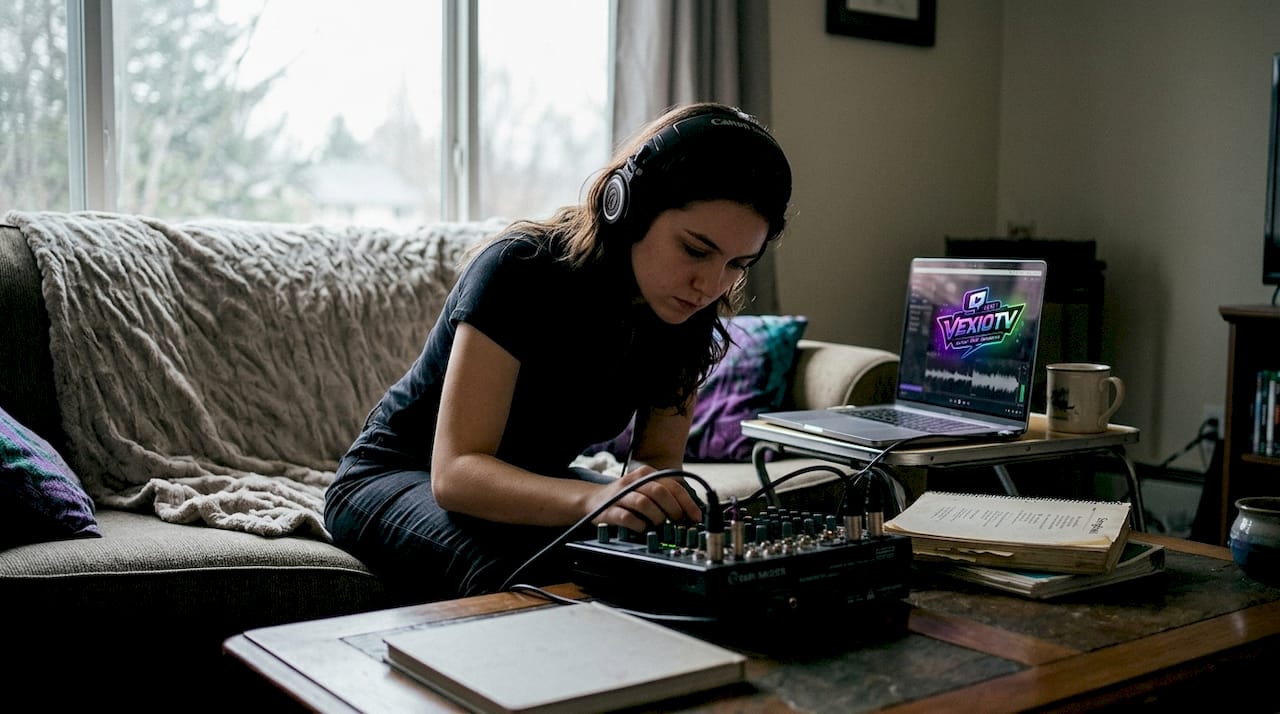
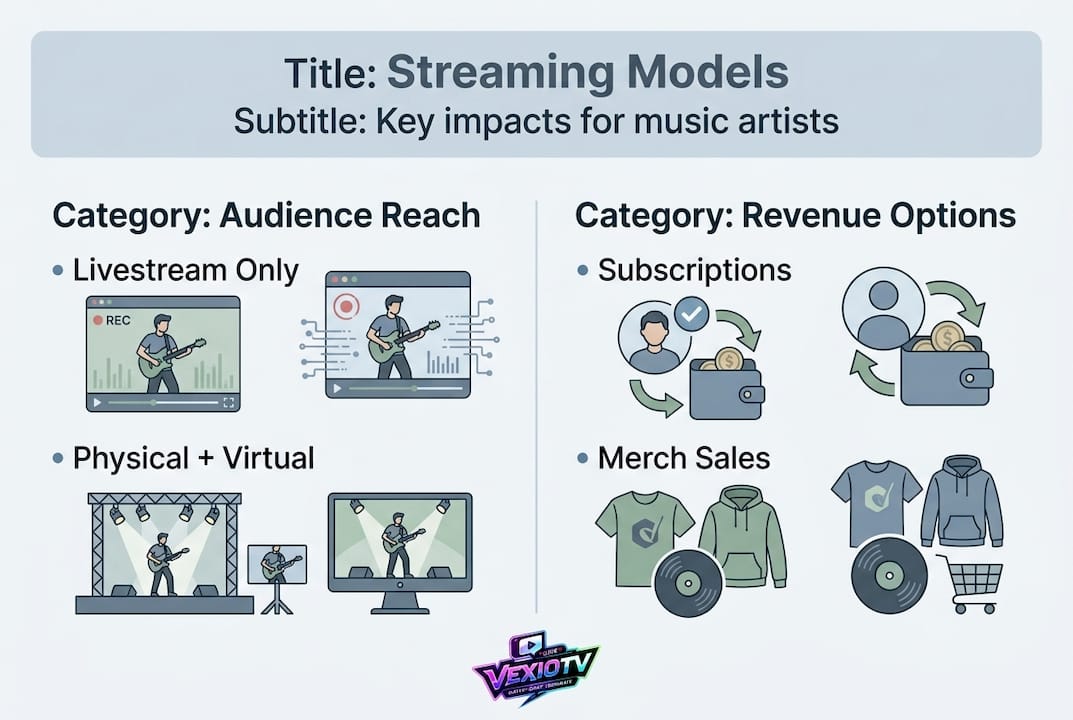
Not every streaming format works the same way. The model you choose determines how much control you have, how deeply your audience engages, and how much income you realistically generate.
| Streaming model | Average engagement level | Merch uplift potential | Revenue control |
|---|---|---|---|
| Standard solo stream | Low to moderate | 5 to 10% | Low (platform dependent) |
| Hybrid (live + virtual) | High | 15 to 22% | Moderate |
| Direct-to-fan platform | Very high | 20 to 30% | High |
| Major platform release | Low (70% passive) | Minimal | Very low |
Research shows that 70% of streaming engagements are low-commitment, meaning listeners have your music on while doing something else. That is useful for discovery but not for building a paying fanbase. High-commitment formats, like hybrid shows and direct-to-fan events, change that ratio significantly.
Key outcomes from different approaches:
- Solo streams on standard platforms build audience size but generate mostly passive engagement
- Hybrid shows combining an in-person crowd with a virtual audience show 15 to 22% merch uplift compared to streams without a physical component
- Direct-to-fan platforms let artists offer virtual tickets, subscriptions, and merch bundles during or before a stream, which shifts income control directly to you
- Major platforms favor large acts by design. An artist with under 100,000 monthly listeners competes for algorithmic exposure against acts with millions
Hybrid models are worth the extra logistical effort. The combination of a live physical audience and a virtual crowd creates a different energy on camera. Viewers watching at home sense the presence of a real crowd. That energy raises engagement metrics and makes the experience feel more exclusive, which increases conversion on premium offerings.
Community and income in live streams are closely linked. The model you choose shapes both. Review the types of live streams available to understand which format fits your current audience size and goals.
Maximizing interaction and monetization in music streams
Engagement does not happen by accident. You need a clear plan for how to involve your audience at specific moments during a stream. The artists who earn the most from live streams treat each session as a structured event, not an open-ended broadcast.
Follow these steps to increase interaction and income:
- Build anticipation before the stream starts. Announce exclusive previews or early access to a new track. Give your audience a specific reason to show up at a set time rather than catching the replay.
- Use interactive chat actively. Respond to viewer comments during low-intensity moments in your set. Call out usernames. Ask questions. Chat activity signals platform algorithms that your stream has strong engagement.
- Integrate monetization into the content naturally. Offer virtual tickets and merch bundles at emotional peaks in your performance, not as awkward commercial breaks. A song that gets a strong chat reaction is the right moment to mention a limited merch drop.
- Engage your superfan community separately. Superfans are a small percentage of your audience but drive a disproportionate share of revenue. Create a private community or subscription tier that gives them early access, exclusive content, or direct interaction.
Creative interaction tools worth adding to your streams:
- Song request polls that let viewers vote on the next performance
- AR merch previews that show a new product in the stream overlay before it goes on sale
- Live Q&A segments between songs that keep casual viewers watching during set breaks
- Countdown timers for exclusive drops, which create urgency and drive chat activity
Pro Tip: Use direct-to-fan platforms like EVEN to offer pre-release tracks to your superfans before any public release. This gives your most loyal audience a reason to pay for access before the stream even begins.
Owning your fan data is non-negotiable. When you rely entirely on a platform algorithm, you lose access to who is watching, what they respond to, and how to reach them again. Build an email list. Create a community outside the platform. Use streams to drive sign-ups, not just views.
Explore innovative music streaming ideas for formats that drive both engagement and income, and check how live streaming communities function to support long-term artist growth.
The real art of music streaming: What most miss
Most artists spend their energy on music quality and follower counts. Both matter, but neither is where the real leverage is right now. The artists who build sustainable streaming income are focusing on something different: the relationship between the performance, the platform, and the fan.
Viral moments are unpredictable. Algorithm changes are outside your control. What you can control is how deeply a viewer is connected to you as an artist by the end of a stream session. That depth is built through consistent interaction, exclusive access, and the feeling that being a fan of your work comes with real benefits.
Established artists use AR merch previews and direct-to-fan platforms to serve their superfan communities in ways that standard streaming cannot match. This is not a strategy reserved for major label acts. Independent artists can implement the same model at a smaller scale, often with more agility than larger operations.
Hybrid shows are underused by independent artists, largely because the logistics seem complicated. They are not as complicated as they appear. A small in-person performance of 20 to 30 people combined with a virtual broadcast can outperform a pure online stream with 500 passive viewers in both engagement quality and revenue generated per viewer.
The data on this is clear. Hybrid formats drive higher emotional responses, higher appreciation scores, and better merch conversion rates. The physical audience sets the energy that virtual viewers absorb through the screen. That is not a minor effect. It is a measurable difference in behavior.
Owning both your fan data and your fan relationships is the actual competitive advantage available to artists in 2026. The platforms are tools. Use creative live streaming formats to build what the algorithm cannot take away: a community that chooses to show up because of you, not because an app recommended your content.
Launch your next-level music streaming journey
You have the framework. Now it is time to act on it. VexioTV gives music artists a direct path to live streaming without complicated setup barriers.
Go live with one click and start building the kind of audience that pays, returns, and engages. VexioTV supports music streams, creative performances, and community-driven content in one place. You can connect with viewers, manage your stream, and explore monetization options built for creators. Visit VexioTV to sign up, log in, or go live today. The tools are ready when you are.
Frequently asked questions
How does live music affect viewer engagement?
Live music creates stronger emotional connections and leads to greater appreciation and physiological responses compared to prerecorded content, which directly increases how long viewers stay and how actively they interact.
What equipment do I need for high-quality music streaming?
You need streaming software like OBS Studio, an audio interface such as a Focusrite Scarlett for clean audio, a quality camera, and a wired internet connection with at least 15 Mbps upload speed.
Which streaming models generate the most income for artists?
Hybrid shows and direct-to-fan platforms that offer virtual tickets, subscriptions, and merch consistently outperform passive streaming, with hybrid merch uplifts reaching 15 to 22% above standard solo streams.
Are smaller artists at a disadvantage on streaming platforms?
Major platforms favor established acts and offer payouts as low as ~0.33 cents per stream, but direct-to-fan and hybrid models let smaller artists retain data ownership and build deeper connections with their existing audience.