
TL;DR:
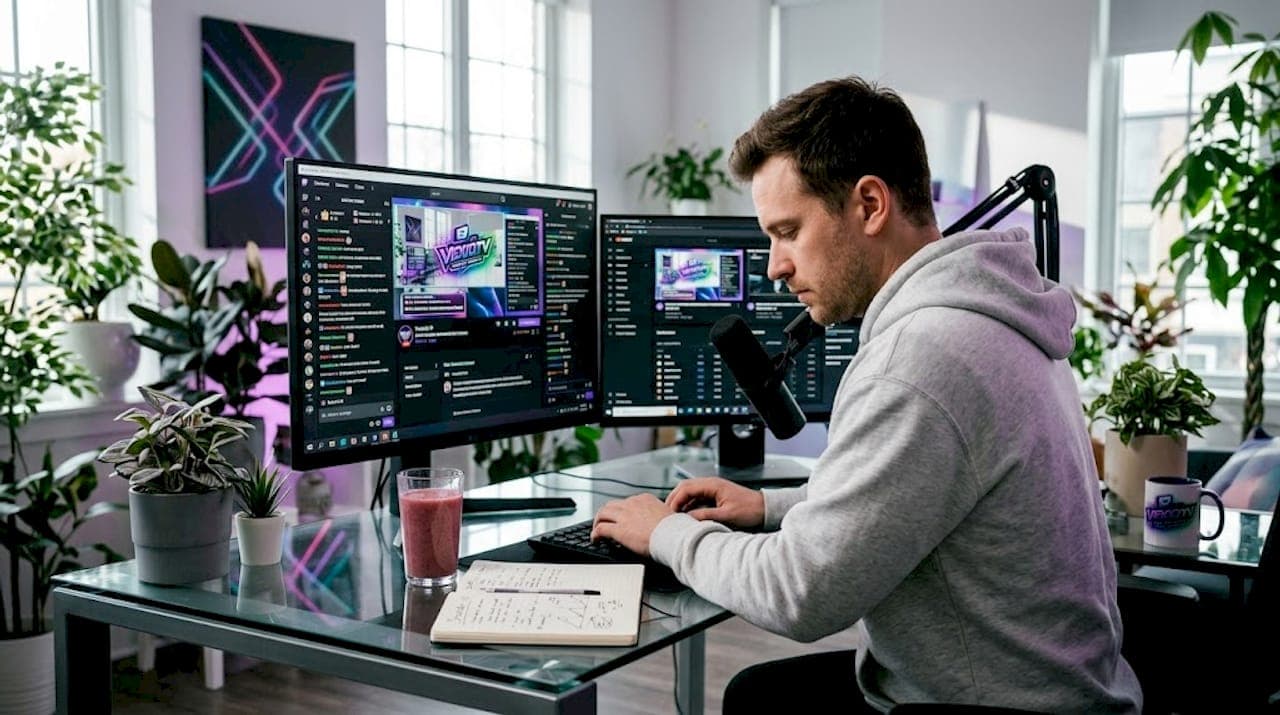
- Streaming audiences are increasingly spread across multiple platforms, requiring creators to adopt multistreaming strategies. Broadcasting to 3 to 5 well-chosen platforms maximizes reach, engagement, and revenue without creating unnecessary complexity. Multistreaming offers viewers seamless access on their preferred devices and platforms, fostering stability and growth for creators in 2026.
Streaming audiences are not waiting in one place. They are spread across multiple platforms, using different devices, and forming habits around apps rather than specific creators. That is exactly why multi-platform streaming matters more than ever in 2026. Relying on a single platform puts your reach, revenue, and audience at the mercy of one algorithm and one policy change. Whether you are a creator building a following or a viewer looking for flexibility, understanding the importance of multi-platform streaming changes how you think about live content altogether.
Table of Contents
- Key takeaways
- Why multi-platform streaming matters in 2026
- How viewer behavior and platform algorithms drive this
- Practical strategies for effective multistreaming
- Benefits for viewers
- Common challenges and how to handle them
- My take on multistreaming in 2026
- Start multistreaming with Vexiotv
- FAQ
Key takeaways
| Point | Details |
|---|---|
| Audience is fragmented | Viewers watch across multiple platforms daily, so single-platform streaming limits your reach significantly. |
| Revenue models favor watch time | Ad-tier revenue surpasses premium subscriptions, making broad distribution more valuable. |
| One workflow, many destinations | A single production can reach audiences on multiple platforms without multiplying your workload. |
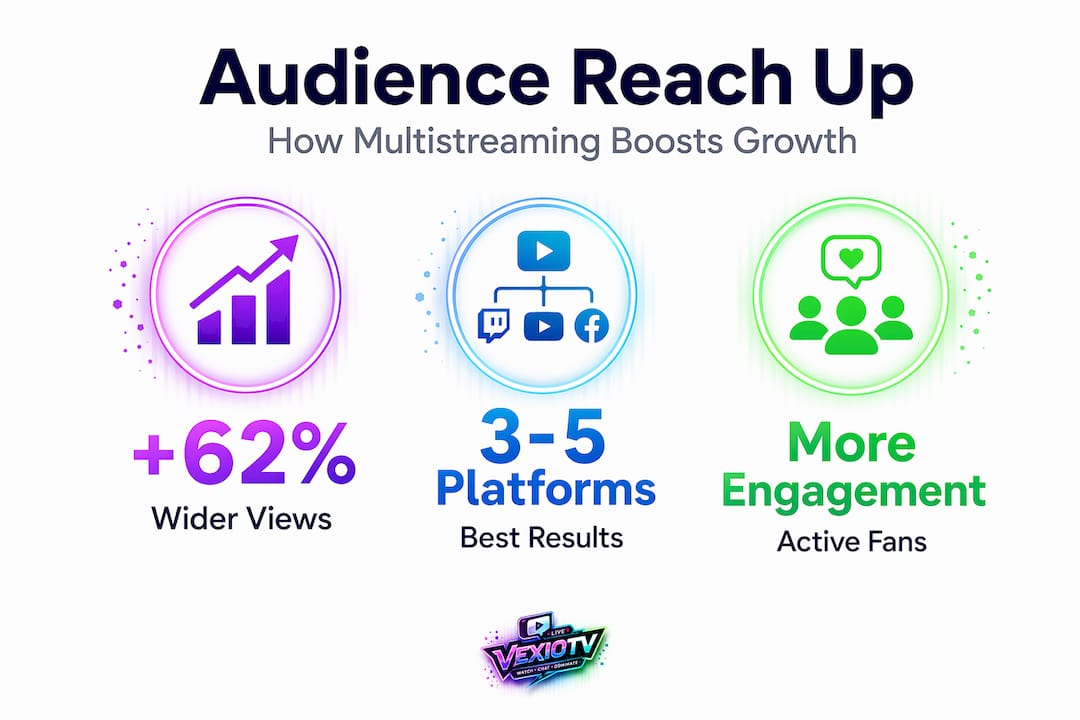
| Strategic selection beats max platforms | Streaming to 3 to 5 well-chosen platforms outperforms spreading too thin across every option. |
| Viewers benefit from access and choice | Multi-platform access lets viewers watch content on their preferred device, in their preferred context. |
Why multi-platform streaming matters in 2026
Multistreaming means broadcasting the same live stream to two or more platforms at the same time from a single production setup. You go live once, and your stream reaches viewers on multiple platforms simultaneously. Common platforms include gaming-focused services, social video platforms, and dedicated live streaming hubs. The basics of multistreaming are straightforward: one production, many destinations.
The core benefits are real and measurable:
- Wider reach. Each platform holds a distinct audience segment. Streaming to multiple platforms captures viewers who would never find you on a single service.
- Platform diversification. If one platform throttles your reach or goes offline, your audience on other platforms stays intact.
- Brand visibility. Consistent presence across platforms builds name recognition faster than single-platform growth alone.
- Audience data. Streaming to multiple platforms generates cross-platform viewer data, helping you understand which content type performs where.
Multistreaming also maximizes ROI by spreading one production effort across multiple audience pools. You are not creating different content for each platform. You are creating once and distributing widely.
Platform comparison at a glance
| Platform | Primary audience | Best content type | Monetization options |
|---|---|---|---|
| Vexiotv | Gaming, entertainment, IRL | Live streams, performances | Direct revenue, community tips |
| YouTube Live | General, broad demographics | All-purpose live content | Ads, memberships, Super Chat |
| Twitch | Gaming, esports, creative | Gaming, talk shows, IRL | Subscriptions, Bits, ads |
| Facebook Live | Social, older demographics | Events, community streams | Stars, in-stream ads |
| TikTok Live | Gen Z, short-form fans | Entertainment, music, lifestyle | Gifts, LIVE subscriptions |
The right combination depends on your content type and where your audience already spends time. There is no single formula, but the multi-platform access benefits are consistent regardless of niche.
How viewer behavior and platform algorithms drive this
The way people watch live content has shifted. Viewers do not sit at a single platform for hours. They watch live content across multiple platforms and devices daily, switching based on what they are doing and what content fits the moment. Gaming content gets watched on gaming platforms. Music performances pull viewers to social video. IRL streams travel across both.

Platforms in 2026 are also building their product design around attention, not subscriptions. Ad-tier platforms optimize UI and ad pods to keep users watching for 41 or more hours monthly, because that watch time is now the primary revenue driver. Viewers consuming 41 or more hours monthly generate more total revenue than ad-free premium subscribers. This is streaming's great shift: time-on-platform beats subscription count.
For creators, this has direct consequences:
- Algorithm dependency is real. A single platform change can cut your visibility by 30 to 60 percent overnight.
- Discovery favors active presence. Platforms surface creators who stream regularly and hold attention, which is easier to maintain across platforms.
- Outage and policy risk. Any single platform can face outages, policy shifts, or content restrictions that wipe out a creator's audience access temporarily or permanently.
The impact of multi-platform streaming on revenue is tied directly to this shift. Streaming platforms are moving focus from subscription counts to watch-time value. Creators who distribute widely capture more total watch time, which feeds more revenue opportunities across platforms.
Pro Tip: Track your watch time separately on each platform for 30 days. You will quickly identify which platform holds your audience longest, and that tells you where to invest your engagement energy first.
Practical strategies for effective multistreaming
The most practical insight about multistreaming is this: one show, one schedule, and one production workflow delivered to multiple platforms reduces complexity while expanding access. The key multistreaming advantage is not adding work. It is distributing the work you already do.
Use cloud-based tools
Cloud-based multistreaming software encodes your stream in the cloud and pushes it to multiple destinations without taxing your local internet connection or hardware. You do not need a broadcasting studio. A single computer with a stable connection is enough. This matters for independent creators who cannot invest in enterprise-level hardware.
Cloud and edge computing combined with AI now enable real-time stream optimization and reduced local hardware demand. Quality stays consistent across platforms without manual adjustment for each destination.
Manage chat across platforms
One of the most underrated parts of effective multistreaming is chat. When you go live on three platforms, comments pour in from three places. Without a unified chat tool, you miss viewer questions, lose engagement momentum, and create a disconnected experience. Unified chat tools aggregating all comments let you respond to viewers from every platform in one view, maintaining intimacy across channels.
Choose platforms strategically
- Start with two or three platforms, not every option available.
- Pick platforms where your content type already performs well.
- Evaluate each platform's monetization model against your content goals.
- Streaming beyond 3 to 8 platforms often yields diminishing returns and technical problems.
- Add new platforms only when you have stable engagement on your current set.
Pro Tip: Do not add a new platform until you can maintain consistent engagement on your current ones. Platform count is not a success metric. Audience quality is.
When a primary community starts to form strongly on one platform, consider making that your home base for deeper interaction while using others for discovery. Multistreaming is for reach. Community depth happens in one place.
Benefits for viewers
The conversation about multi-platform streaming usually centers on creators. But viewers have a direct stake in this too. The multi-platform viewing advantages for audiences are just as significant.
Here is what viewers gain when creators stream across multiple platforms:
- Access on their preferred platform. Viewers do not need to create accounts on unfamiliar platforms. If you already use a gaming service daily, finding a creator there requires no behavior change.
- Device flexibility. Viewers switch between phones, tablets, smart TVs, and computers throughout the day. Multi-platform availability means the content follows them across devices without gaps.
- Better discovery. When a creator streams on multiple platforms, new viewers encounter that content through platform recommendations, without the creator having to run separate promotional campaigns.
- More engagement options. Different platforms offer different interaction tools. Some viewers prefer text chat. Others use reaction features or gift mechanics. Multistreaming gives viewers the interaction style they prefer.
- Redundancy and reliability. If one platform has technical problems on a specific day, viewers can find the same stream elsewhere with no interruption.
Platform habits are formed around apps, not around individual creators. Viewers go where they are already comfortable. Streaming service diversity across platforms meets them there rather than asking them to change habits.
Common challenges and how to handle them
Multistreaming comes with real concerns. Knowing them in advance keeps you from making fixable mistakes.
- Bandwidth and hardware limits. Cloud-based platforms handle encoding remotely, so local hardware requirements stay low. Your internet upload speed matters more than your CPU.
- Quality dilution fears. Streaming to more platforms does not automatically reduce quality. The risk is poor platform selection, not the act of multistreaming itself. Pick platforms suited to your content and your connection can handle it.
- Viewer fragmentation. Splitting your audience across platforms can reduce the concentration of community interaction. The fix is managing unified chat and designating a primary community platform.
- Platform policy conflicts. Some platforms restrict simultaneous streaming with direct competitors. Read each platform's simulcasting terms before going live on multiple services at once.
- Burnout risk. Managing too many platforms burns creators out fast. Limiting your active platforms to a manageable number protects your energy and your output quality.
Pro Tip: Review each platform's terms of service for simulcasting restrictions before you start. Some platforms require exclusivity windows. Knowing this upfront prevents account penalties.
Multistreaming to more than 8 platforms simultaneously rarely adds meaningful audience gains and introduces significant technical complexity. The sweet spot for most creators is 3 to 5 platforms chosen by audience fit, not by sheer number.
My take on multistreaming in 2026
I have watched creators pour years into a single platform, build real audiences, and then watch their reach collapse after one algorithm update. In my experience, single-platform focus feels safe until the moment it is not. The platform you depend on does not owe you anything.
What I have learned from multistreaming is that the value is not just in numbers. Yes, distributing widely brings in more viewers. But the bigger gain is the stability. When one platform has a bad month, your revenue and reach on others keeps you moving. That diversification is what separates creators who last from creators who spike and disappear.
The lesson I keep coming back to is simple: use the smallest number of platforms you can actively manage. Two well-run platforms outperform five neglected ones every time. I have seen creators burn out chasing platform count, adding new destinations every month without building genuine community anywhere. That is the wrong move.
Think of each platform as a front door. Your job is to let people in. Your community actually lives in the interactions you build, not in the platform itself. Multistream to open more doors. But build your community with focus, not volume.
— M7
Start multistreaming with Vexiotv
For creators ready to expand their reach without the technical headaches, Vexiotv is built for exactly this. The platform puts live streaming at the center, with a simple go-live process that works across entertainment, gaming, music, and IRL content.
Vexiotv supports creators who want to build community and earn revenue across platforms without managing a complicated technical setup. The platform is designed for both casual streamers and creators running consistent schedules. Whether you are just starting or looking to add a dedicated streaming hub to your multi-platform setup, Vexiotv gives you the tools to go live, grow your audience, and monetize your content. Sign up at Vexiotv and start streaming to your audience today.
FAQ
What is multi-platform streaming?
Multi-platform streaming means broadcasting the same live stream to two or more platforms at once from a single production. It lets creators reach audiences on different platforms without running separate productions for each.
How many platforms should I stream to at once?
Most creators get the best results streaming to 3 to 5 platforms. Streaming beyond 8 platforms adds technical problems without meaningfully increasing audience size.
Does multistreaming hurt stream quality?
No, not when done correctly. Cloud-based encoding handles distribution without overloading local hardware. Platform selection matters more than the number of platforms.
Why do viewers benefit from multi-platform streaming?
Viewers access content on the platform they already use, with the device and interaction style they prefer. Multi-platform availability removes barriers to discovery and access for different audience segments.
Is multistreaming allowed on all platforms?
Not always. Some platforms have simulcasting restrictions that limit streaming alongside direct competitors. Always check each platform's terms of service before setting up a multi-platform broadcast.