
TL;DR:
- Planning a gaming event requires selecting ideas that suit your audience, resources, and goals to ensure repeat attendance. Different formats, such as single-elimination, Swiss, or hybrid phygital events, cater to varying group sizes and engagement levels, maximizing participation. Successful execution relies on clear rules, structured scheduling, live streaming, and gathering participant feedback to build community and improve future events.
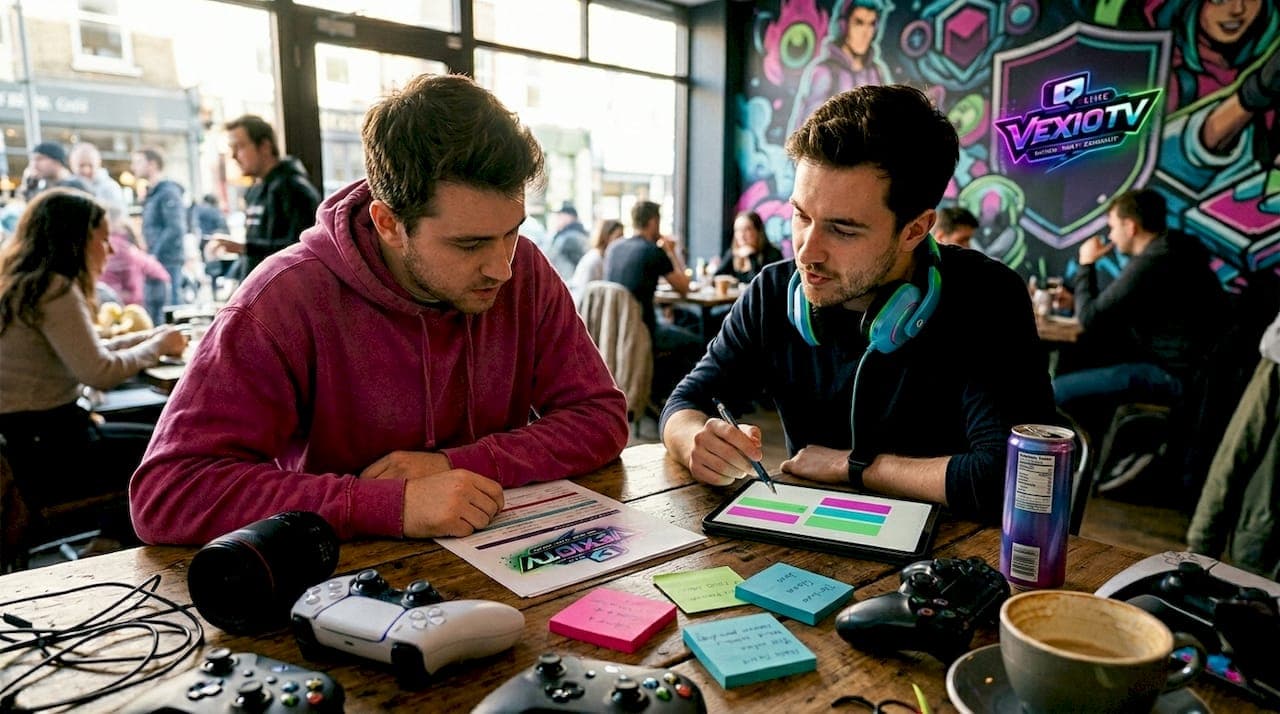
Planning a gaming event sounds straightforward until you are staring at a blank calendar and a budget spreadsheet. The real challenge is not finding a format. It is finding gaming event ideas that work for your specific audience, your resources, and your goal of building something people actually want to attend again. Whether you are organizing a local LAN party, a virtual gaming night, or a full esports tournament, the ideas and criteria in this guide give you a clear starting point.
Table of Contents
- Key takeaways
- Criteria for picking the right gaming event ideas
- 1. Competitive single-elimination tournament
- 2. Swiss or round-robin tournament
- 3. Phygital event experience
- 4. Themed gaming party night
- 5. Charity stream event
- 6. Virtual gaming event night
- 7. Creative gaming night with leaderboard challenges
- 8. Esports hall of fame weekend or multi-day event universe
- Comparing popular gaming event formats
- Best practices for executing your gaming event
- My take on what actually works in 2026
- Stream your gaming event live with Vexiotv
- FAQ
Key takeaways
| Point | Details |
|---|---|
| Match format to audience size | Single-elimination works for 8-16 players; Swiss or round-robin fits 32 or more. |
| Prioritize accessible games | Free, cross-platform titles lower barriers and grow your participant pool. |
| Blend physical and digital | Phygital events reach larger audiences without abandoning the live venue experience. |
| Build community, not just competition | Events that create tribal connection outperform those focused only on spectacle. |
| Stream everything possible | Live streaming converts spectators into community members and unlocks monetization. |
Criteria for picking the right gaming event ideas
Before you pick a theme or book a venue, you need a set of filters. These questions narrow down which gaming event ideas will actually succeed with your crowd.
Audience size and demographics matter first. A casual friend group of 12 plays differently than a regional esports community of 200. Know your headcount before you commit to any format. Age range also shapes game choice. Younger audiences often prefer fast-paced titles. Older or mixed groups may respond better to party games or trivia formats.
Format scalability separates good ideas from great ones. Some formats fall apart at scale. Others thrive with more players. Think about whether your event needs to work online, in person, or as a hybrid. Hybrid formats are growing fast because they remove geographic limits without losing the energy of a live venue.
Game selection drives participation rates. Accessible, free, cross-platform games like Brawlhalla lower entry barriers and encourage participation from people who might otherwise skip. If your event requires participants to own a $60 title, you shrink your potential pool significantly.
Engagement strategies keep people invested beyond their own matches. Leaderboards, live commentary, spectator modes, and side activities like trivia between rounds all reduce drop-off. Events with nothing to do between matches lose people fast.
Budget shapes everything. Gaming-themed events for 10-15 guests typically cost between $219 and $578, with roughly 50% going toward entertainment rather than supplies. At larger scales, costs shift toward tech infrastructure, venue fees, and prizes.
Pro Tip: Set your engagement budget before your decor budget. An event that looks great but bores participants between rounds will not get repeat attendees.
1. Competitive single-elimination tournament
This is the most recognized format in gaming. Players compete head-to-head, and one loss ends their run. It is clean, easy to explain, and builds natural tension as the bracket narrows.
Single-elimination fits 8-16 players and runs in roughly three to four hours, making it ideal for a focused afternoon event. The format rewards skill and creates clear narrative arcs. The downside: one bad game sends someone home early, which can frustrate participants who traveled or paid entry fees.
Best use case: local LAN parties, friend groups, or single-day open events with a tight schedule.
2. Swiss or round-robin tournament
When your player count climbs above 32, Swiss or round-robin formats become the smarter choice. Every participant plays a guaranteed number of games regardless of wins or losses. This keeps people engaged longer and reduces the sting of early elimination.
Swiss format pairs players with similar records each round, so matches stay competitive throughout. Round-robin ensures every player faces every other player, but it requires more time. Both formats work well for events where community-building matters as much as finding a winner.
Best use case: community leagues, multi-day events, or esports events where retention and repeat attendance are the goal.
3. Phygital event experience
Phygital events combine a physical venue with digital interactivity for audiences who cannot attend in person. Phygital experiences appeal to new-generation audiences who expect both live energy and digital access simultaneously.
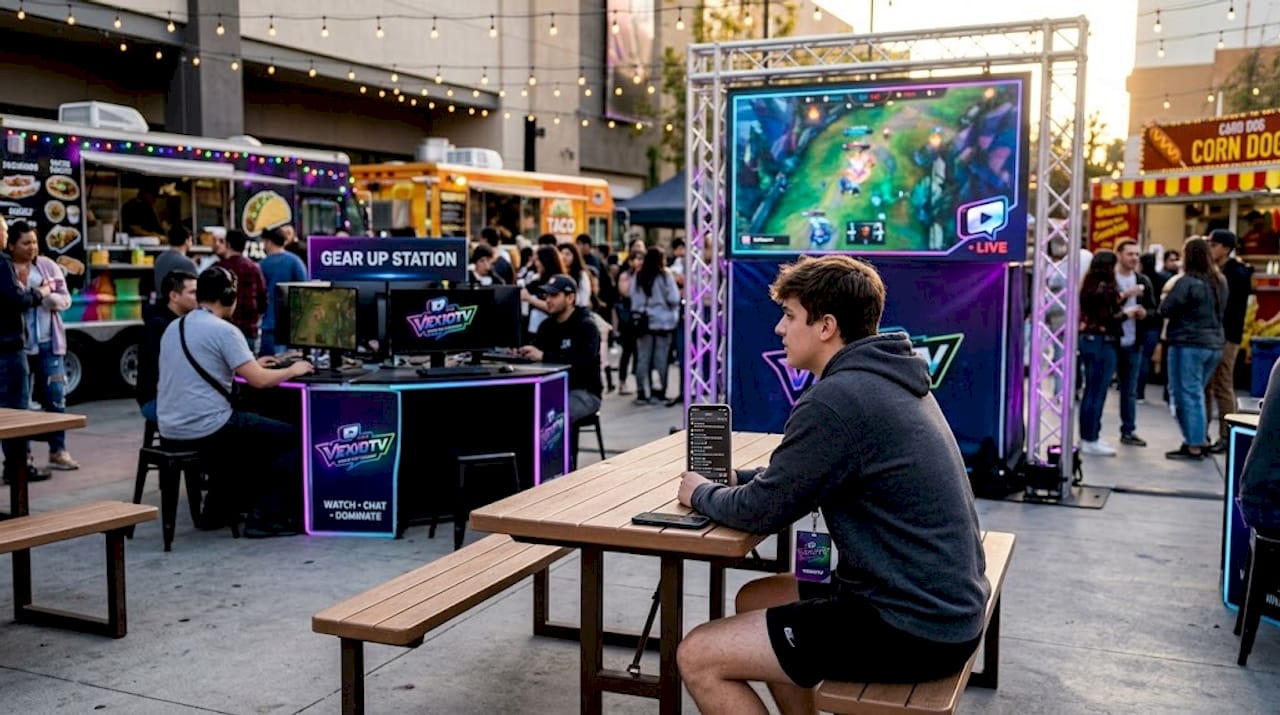
The 2025 Games of the Future showed what this looks like at scale. The event drew 137 million unique viewers with 82% tuning in through digital-first streaming platforms. You do not need that budget to apply the concept. Even a local tournament gains reach when it streams to an online audience that can vote on exhibition match formats or cheer through chat.
Best use case: regional esports events, community conventions, or any event where expanding reach beyond the room matters.
4. Themed gaming party night
This is one of the strongest video game party ideas for casual groups or brand activations. You build the event around a specific game universe, era, or aesthetic. Think retro arcade night, a Pokémon draft party, or a Minecraft build competition with themed decor.
Themes create photo opportunities, encourage costume participation, and give the night a story beyond the competition itself. Side activities like trivia, cosplay contests, and game-themed food menus add layers that keep non-competitors entertained.
Pro Tip: Pair your theme with a streaming component. Even a casual themed night becomes shareable content when someone goes live on a platform like Vexiotv.
Best use case: private events, brand partnerships, gaming cafe promotions, or community social nights.
5. Charity stream event
Charity streams tie gameplay to a cause, which broadens your audience beyond the core gaming community. Viewers who would never watch a standard tournament will donate and tune in when proceeds support something meaningful.
Gamified chat interactions during live streams allow remote audiences to influence what happens on screen. Donors can vote on game modes, trigger in-game challenges, or unlock stretch goals. This converts passive viewers into active participants, which is exactly what separates forgettable streams from viral ones. You can learn more about making that transition in this guide on chat-driven engagement.
Best use case: content creator collaborations, game studio promotions, or community fundraisers.
6. Virtual gaming event night
Virtual gaming events remove the venue cost entirely. Players join from home, compete through online matchmaking or custom lobbies, and engage through a shared stream or Discord server. This format scales quickly because geography is not a limit.
The key to making virtual events feel like events rather than just lobbies is structure. Scheduled start times, broadcasted results, live commentary, and a clear bracket or leaderboard give participants something to track. Without that structure, online events feel like random pub matches.
Best use case: global communities, remote teams, or events on short timelines and small budgets.
7. Creative gaming night with leaderboard challenges
This format moves away from direct competition and toward performance-based scoring across mini-games or creative challenges. Players earn points for speed runs, high scores, trivia answers, or creative builds. A rolling leaderboard updates in real time and keeps everyone watching even when it is not their turn.
This is one of the better creative gaming night formats for mixed skill groups because it gives casual players a real shot at the top. A newcomer who happens to excel at trivia rounds can outscore a veteran who only dominates combat sections.
Best use case: corporate team-building events, school gaming clubs, or community nights where inclusion matters more than elite competition.
8. Esports hall of fame weekend or multi-day event universe
Multi-day event universes with ceremonies, fanfests, and exhibition matches build community memory and create monetization layers that single-day events cannot match. Think of it as a gaming festival rather than a tournament.
Day one might feature open bracket play and side activities. Day two adds a fanfest with creator meet-and-greets and exhibition matches. Day three runs finals with ceremony elements. Each day gives sponsors a different activation opportunity and gives attendees a reason to stay.
Best use case: established esports organizations, gaming conventions, or communities ready to invest in a recurring annual format.
Comparing popular gaming event formats
| Format | Player count | Duration | Skill level | Spectator-friendly | Best for |
|---|---|---|---|---|---|
| Single elimination | 8 to 16 | 3 to 4 hours | Competitive | High | Local LAN, quick events |
| Swiss or round-robin | 32 to 256+ | Full day or multi-day | All levels | Medium | Community leagues |
| Phygital hybrid | Any | Flexible | All levels | Very high | Regional or streamed events |
| Themed party night | 10 to 50 | 3 to 5 hours | Casual | Medium | Social or brand events |
| Charity stream | Unlimited (online) | 4 to 24 hours | All levels | Very high | Fundraisers, creator collabs |
| Virtual online event | Unlimited | Flexible | All levels | Medium | Remote communities |
| Leaderboard challenge night | 10 to 60 | 2 to 4 hours | Mixed | High | Corporate or school groups |
| Multi-day event universe | 50 to 1000+ | 2 to 4 days | All levels | Very high | Esports orgs, conventions |
Best practices for executing your gaming event
Once you have selected a format, execution is where most events succeed or fall apart. These practices apply across nearly every event type.
- Pick games your participants already know. A game with a learning curve longer than your event duration creates frustration. Free-to-play and cross-platform titles keep your participant base open and avoid hardware requirements that exclude players.
- Publish your rules before registration closes. Transparency in rules, ranking, and communication builds player trust and prevents disputes that can derail even well-organized events. Post your tie-break procedures and bracket logic where everyone can read them.
- Schedule energy management into your timeline. Long events without breaks lose players to fatigue. Build in rest periods, food breaks, and side activities between rounds.
- Use live streaming to extend your reach. Even a small local event benefits from a stream. Broadcasting draws spectators who build community around your event over time. For a practical setup guide, check out this resource on interactive stream setups.
- Create recurring structure for repeat attendance. Building multi-day event experiences with ceremonies and side activities turns one-time attendees into loyal community members. Give people a reason to come back next month or next year.
Pro Tip: Collect participant feedback immediately after each event. A quick post-event form takes five minutes to complete and gives you data worth more than any post-mortem guess.
My take on what actually works in 2026
I have watched a lot of organizers chase the largest possible audience and burn out trying to build spectacle at scale. What I have actually seen work is smaller in scope but stronger in community connection.
Tribal intensity, not mass spectacle, is what keeps people coming back. When participants feel like they belong to something, they recruit their friends, share their clips, and show up to the next event. That feeling does not come from a bigger prize pool. It comes from clear rules, honest communication, and events that treat participants as the main characters rather than the support cast.
The organizers I respect most are the ones using telemetry and engagement data to understand where attention drops and where energy peaks. They iterate fast. They cut formats that do not hold attention and double down on moments that create genuine reaction.
My honest advice: run a smaller event with tight structure before you scale. A 16-person tournament where every match gets streamed and every participant gets clear communication will teach you more than a 200-person event held together with duct tape and goodwill.
— M7
Stream your gaming event live with Vexiotv
You have the ideas. Now you need a platform that handles the live side without getting in the way. Vexiotv gives event organizers and content creators a direct path from planning to going live.
With one-click streaming, Vexiotv fits easily into any event format, whether you are running a local leaderboard night or a multi-day esports weekend. The platform supports community building and creator monetization, so your event does not just run. It grows an audience and earns. Start streaming your next event on Vexiotv and turn every gaming night into a live content moment your community can watch, share, and return to.
FAQ
What are the best gaming event ideas for small groups?
Themed gaming party nights and leaderboard challenge formats work best for groups of 10 to 30 people. They are flexible, require minimal infrastructure, and keep mixed skill levels engaged.
How do I choose a tournament format for my event?
Use single-elimination for 8 to 16 players when time is limited. Choose Swiss or round-robin for larger groups of 32 or more to guarantee every participant plays multiple games.
What games work best for local gaming tournaments?
Free-to-play and cross-platform titles like Brawlhalla reduce barriers and increase participation. Games everyone already owns or can download at no cost produce the broadest and most diverse turnout.
How do virtual gaming events stay engaging?
Structure is the answer. Scheduled rounds, live leaderboards, a broadcast stream, and active chat interaction prevent virtual events from feeling like informal lobbies. Gamified chat tools let remote viewers influence live outcomes directly.
How much does a small gaming event cost to organize?
A gaming event for 10 to 15 participants typically runs between $219 and $578, with about half the budget going toward entertainment. Costs shift at larger scales toward venue, tech, and prize infrastructure.