
TL;DR:
- Effective live streaming feedback transforms passive viewers into active collaborators, enhancing engagement and retention. Structured feedback systems, including scheduled polls and pattern recognition, foster trust and long-term community growth. Prioritizing privacy and closing the feedback loop encourages honest input, strengthening fandom and channel loyalty.
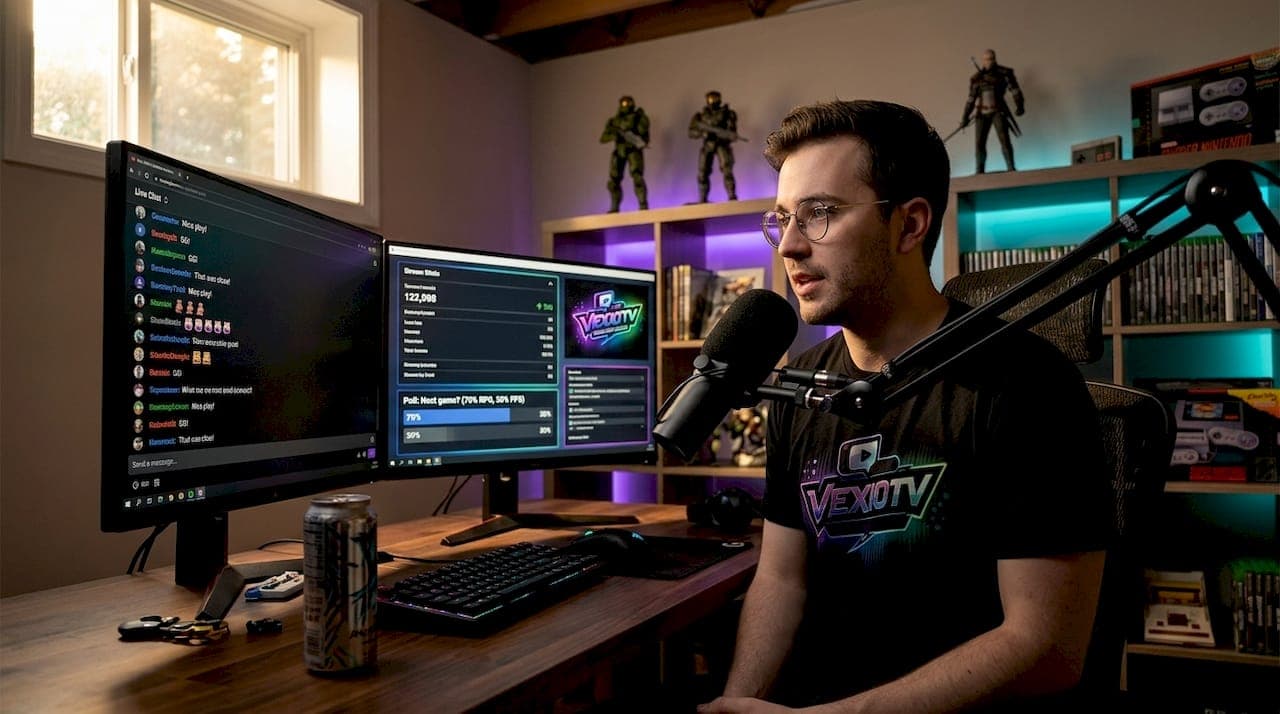
Feedback in live streaming is defined as any real-time or structured viewer input that shapes content, drives engagement, and builds community between a streamer and their audience. The role of feedback in streaming goes far beyond reading chat messages. It converts passive viewers into active collaborators who influence what happens on screen. Platforms that support live polls, reaction emojis, and direct chat interaction give streamers the tools to capture this input and act on it. Research from 2026 confirms that structured feedback mechanisms directly affect viewer retention, parasocial attachment, and long-term fandom behavior.
How feedback mechanisms improve audience engagement and viewer retention
Feedback is the primary driver of viewer retention in live streaming, not content quality alone. A 2026 Springer Nature study of 388 livestream viewers found that platform features enhancing feedback visibility increase streamer credibility and parasocial attachment, both of which directly sustain continuous watching. This means viewers who feel heard stay longer, return more often, and develop stronger loyalty to a channel.
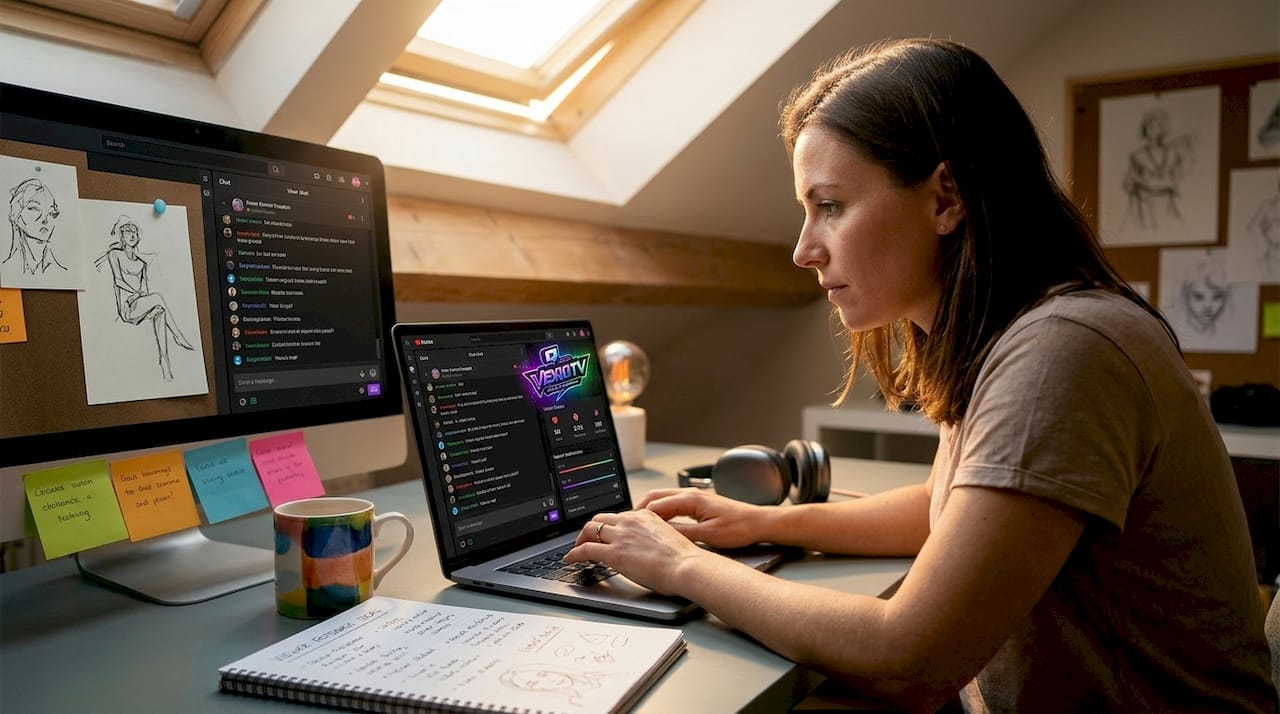
Emotional feedback plays a specific role in this process. Research published in PLOS ONE 2026 shows that positive feedback sustains engagement through a 13:1 positive-to-negative emotional ratio during live streams. That ratio matters because it reflects the emotional environment viewers experience. When positive signals dominate, viewers feel safe, welcome, and motivated to participate more.
The most common feedback channels available to streamers today include:
- Live chat interaction: Real-time text responses that let viewers react to content as it happens
- Polls and voting: Structured questions that give viewers a direct say in content direction
- Upvotes and reaction emojis: Low-friction signals that indicate approval or emotional response
- Reward systems: Points, badges, or shoutouts that reinforce participation and repeat behavior
Each of these mechanisms serves a different function. Chat captures raw sentiment. Polls capture preference. Reactions capture emotion. Rewards capture habit. Using all four together creates a feedback environment that builds real audience retention across multiple viewer types.
Pro Tip: Track which feedback channel drives the most responses during your streams. If polls consistently outperform chat reactions, schedule more polls. Let the data tell you where your audience prefers to engage.
Algorithmic reach also benefits from strong feedback loops. PLOS ONE 2026 data confirms that emotionally engaging content receives stronger algorithmic promotion, which increases streamer visibility. More visibility brings new viewers, who then enter the same feedback loop. The cycle compounds over time.
What are effective feedback systems and moderation strategies for streamers?
Effective feedback systems for streamers rely on structure, not volume. The mistake most new streamers make is treating every comment as equal input. Expert streamers aggregate signals, triage them into categories, and make decisions based on patterns across many streams rather than reacting to individual comments.
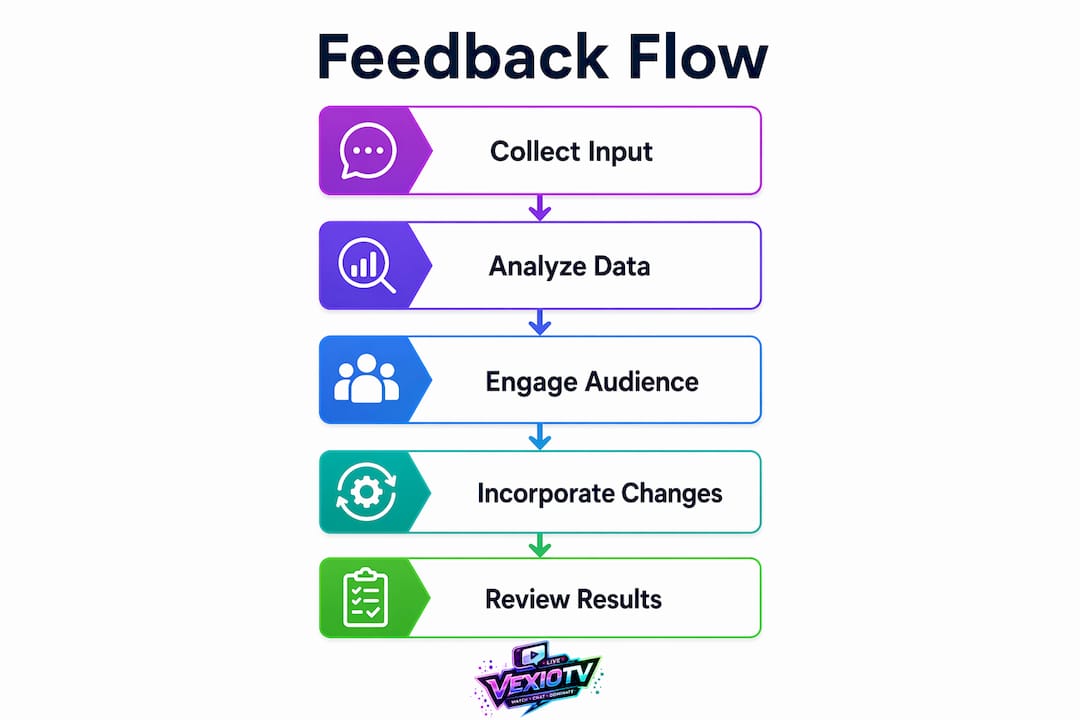
A VAR-style review process, adapted from sports officiating, gives streamers a practical framework for handling feedback without emotional overreaction. The steps work as follows:
- Flag: Identify recurring themes or notable comments during the stream without stopping to address them immediately
- Review: After the stream, group flagged feedback by category such as content requests, technical complaints, or community suggestions
- Decide: Choose which feedback patterns are worth acting on based on frequency and alignment with your content goals
- Communicate: Tell your audience what you heard and what you plan to do about it, even if the answer is no
This VAR-inspired workflow reduces emotional overreactions and builds audience trust by showing viewers that their input is taken seriously. It also protects streamers from making reactive changes that damage their content identity.
Scheduling feedback collection at fixed times also improves both viewer participation and streamer focus. A 2026 guide from Reliably.live recommends routine feedback windows at predictable points in a stream. These scheduled moments reduce cognitive load for the streamer and signal to viewers that their input has a dedicated space. The result is higher quality responses and more focused content decisions.
Filtering matters as much as collecting. A 2026 analysis from twitch.club advises against treating all feedback as equal and recommends structured choice prompts instead of open-ended questions. Asking "Would you prefer more gaming or more IRL content?" produces cleaner data than "What do you want to see?" Specific questions generate specific answers.
Pro Tip: Run a post-stream review every week where you categorize feedback into three buckets: repeat requests, one-off comments, and technical issues. Only act on repeat requests unless a one-off comment reflects a clear error.
How privacy and credibility concerns affect the role of feedback in streaming
Privacy concerns directly reduce viewer willingness to interact, and streamer credibility is the most effective counter to that reluctance. The Springer Nature 2026 study confirms that higher perceived credibility counters privacy fears and encourages more honest, frequent feedback from viewers. Credibility here means consistency, transparency, and demonstrated respect for audience boundaries.
Streamers who ask invasive questions or push viewers to share personal data in exchange for interaction create friction that reduces participation. The opposite approach, building a space where viewers feel anonymous and safe, produces more honest and useful input. Anonymity lowers the social cost of sharing an opinion, which increases both the volume and quality of feedback received.
Practical steps for building a privacy-respecting feedback environment include:
- Use anonymous polls rather than requiring viewers to comment publicly on sensitive topics
- Avoid data requests that go beyond what the platform already collects, such as asking for emails during a live stream
- Frame questions neutrally so viewers do not feel pressured toward a specific answer
- Acknowledge all feedback types including negative input, to signal that honest responses are welcome
Phrasing also affects participation rates. "What would make this stream better for you?" signals openness. "Did you enjoy today's stream?" signals a desire for validation rather than genuine input. The first question produces feedback you can act on. The second produces noise. Streamers who want honest data should also review streaming safety tips to understand how privacy boundaries protect both the creator and the community.
How to leverage audience feedback to build lasting communities and fandoms
Feedback-driven community building converts one-time viewers into long-term fans who participate across multiple streams and platforms. A 2026 Deloitte survey confirms that fans invest more time and money in entertainment when creators provide ongoing interaction and recognition. This is not passive loyalty. It is active investment driven by the expectation of continued engagement.
The closed-loop feedback model is the most direct path to this outcome. Closed-loop feedback means viewers see their input result in visible changes. A 2026 guide from attentive.live recommends publicizing feedback decisions within three to seven streams of collecting input, so viewers connect their participation to real outcomes. This validation builds habit. Viewers who see their suggestions implemented return to see what happens next.
The table below compares two approaches to viewer feedback and their community-building outcomes:
| Approach | Method | Community outcome |
|---|---|---|
| Reactive feedback | Responding to individual comments in real time | Short-term engagement spikes, inconsistent loyalty |
| Structured closed-loop feedback | Collecting, reviewing, and communicating decisions on viewer input | Long-term retention, fandom behavior, repeat visits |
Integrating feedback into content planning creates a second layer of community investment. When viewers know their poll responses from last week shaped this week's stream, they arrive with a sense of ownership. That ownership is what separates a subscriber from a fan. Deloitte's research on fandom-driven engagement shows that fans who feel recognized by creators spend more and stay longer than passive subscribers.
Recurring feedback rituals also help. A weekly poll, a monthly community vote on stream topics, or a regular segment where viewer suggestions are read aloud all create predictable moments of participation. These rituals give viewers a reason to return even when the content itself varies. You can also explore how to build a streaming community that converts engagement into sustainable revenue.
Key takeaways
Feedback in live streaming drives retention, credibility, and community growth when collected through structured systems, filtered for patterns, and communicated back to viewers in a closed loop.
| Point | Details |
|---|---|
| Feedback increases retention | Platform features that surface viewer input boost credibility and parasocial attachment, sustaining watch time. |
| Structure beats volume | Scheduling feedback windows and triaging input by pattern produces better decisions than reacting to individual comments. |
| Credibility counters privacy fears | Streamers with high perceived trust receive more honest and frequent viewer feedback. |
| Closed-loop feedback builds fans | Viewers who see their input implemented return more often and invest more in the community. |
| Emotional ratio shapes reach | A 13:1 positive-to-negative feedback environment sustains engagement and improves algorithmic visibility. |
What I've learned about feedback that most guides skip
Most articles on feedback in streaming focus on tools. Polls, chat commands, reaction buttons. The tools matter, but the behavior around them matters more. The biggest mistake I see streamers make is acknowledging feedback without closing the loop. They say "great idea" in chat and then never mention it again. Viewers notice. That silence signals that the feedback was performative, not real.
Separating acknowledgment from outcome is the practice that actually builds trust. Thank the viewer for the input in the moment. Then, two streams later, say "Last week you asked for more Q&A time. Here's what I decided and why." That sequence creates a habit in your audience. They learn that participating has a payoff, and they keep doing it.
Timing also matters more than most streamers realize. Feedback collected at random moments during a stream competes with the content itself. Feedback collected at a scheduled point, say at the 30-minute mark or at the end of a segment, gets better responses because viewers are mentally prepared for it. Predictability reduces friction on both sides. You stay focused on content. They stay focused on giving you useful input.
The privacy piece is underrated. Streamers who push too hard for personal data or ask leading questions get worse feedback, not better. Neutral questions in anonymous formats produce honest answers. Honest answers produce better content decisions. The whole system works better when viewers feel safe.
— M7
Start collecting better feedback on Vexiotv
Vexiotv gives you the tools to put these feedback strategies into practice from your first stream.
The Vexiotv streaming platform supports real-time chat interaction, integrated polls, and built-in analytics that track engagement and retention across your streams. You can schedule feedback windows directly into your broadcast flow and monitor which input types drive the most viewer response. Privacy-friendly settings let your audience participate without friction, which produces more honest and useful data. Whether you stream gaming, music, or IRL content, Vexiotv gives you the infrastructure to collect, review, and act on viewer feedback in a way that builds community and grows your channel.
FAQ
What is the role of feedback in streaming?
Feedback in streaming converts passive viewers into active participants by giving them tools to influence content, signal preferences, and connect with the streamer. Research shows that platforms supporting feedback visibility increase streamer credibility and viewer retention.
How does feedback improve streaming performance?
Structured feedback systems, such as scheduled polls and triage workflows, help streamers identify content patterns and make informed decisions rather than reactive changes. Filtering feedback by frequency and category produces more reliable data for content planning.
Why do privacy concerns affect viewer feedback?
Viewers with privacy concerns are less willing to interact, which reduces the volume and honesty of feedback a streamer receives. Higher streamer credibility directly counters this reluctance, encouraging more open participation.
What is a closed-loop feedback system for streamers?
A closed-loop feedback system is one where viewers see their input result in visible content changes, typically communicated within three to seven streams of the original feedback. This approach builds viewer loyalty and converts one-time watchers into repeat participants.
How does feedback help build a streaming community?
Feedback-driven recognition and recurring interaction rituals give viewers a sense of ownership over the channel. According to Deloitte's 2026 research, fans who receive ongoing interaction from creators invest more time and money in that creator's content over the long term.