
TL;DR:
- Poor audio quality drives viewers away faster than technical issues or content flaws.
- Active chat engagement and community-building tactics increase viewer retention and loyalty.
- Consistent branding, schedule, and post-stream content extend growth and audience reach.
You spend hours setting up your gear, pick the right game or music set, and hit go live. Then the chat stays quiet, viewers drop off after two minutes, and the stream feels flat. This happens to new and experienced streamers alike, and the reasons are almost always the same avoidable mistakes. Fixing them does not require a full equipment overhaul or a production crew. It requires knowing what to look for. This article covers the most common pitfalls that hold streamers back, with clear steps to address each one and build a channel viewers actually return to.
Table of Contents
- Not prioritizing audio and technical setup
- Overlooking engagement and community-building
- Neglecting brand, format, and consistency
- Missing opportunities for post-stream content and growth
- Failing to adapt: Ignoring analytics and feedback
- What most guides miss about successful streaming
- Ready to level up your stream?
- Frequently asked questions
Key Takeaways
| Point | Details |
|---|---|
| Audio quality matters | Good sound is more important than perfect video and impacts viewer retention. |
| Engagement fuels growth | Active interaction builds loyal streaming communities and increases repeat viewership. |
| Consistency builds trust | Sticking to your schedule and brand attracts new followers and establishes credibility. |
| Repurpose content | Save and reuse streams to reach wider audiences and create extra value from each session. |
| Learn from analytics | Viewing stats and feedback helps you adapt, improve, and avoid repeating mistakes. |
Not prioritizing audio and technical setup
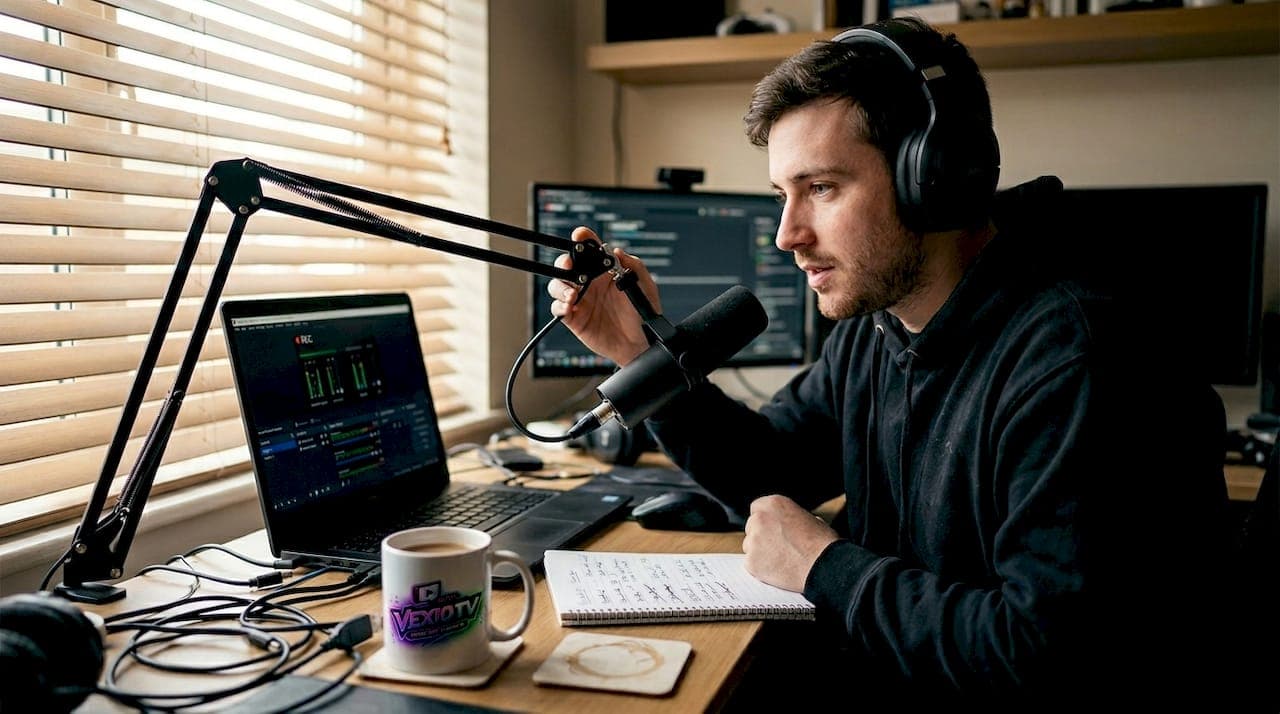
Bad audio ends streams faster than anything else. Viewers will tolerate a lower video resolution, but a crackling mic, echo loop, or out-of-sync audio will make them leave within seconds. This is especially true for music artists streaming live performances, where sound quality is the entire product.
One of the most overlooked technical errors is the missing mix-minus setup. Without it, your mic picks up your own voice from your speakers and feeds it back into the stream as an echo. The fix is straightforward: route your output audio so the source you are monitoring does not loop back into your broadcast mix. For musicians, audio sync, mix-minus, and multitrack recording are essential tools, not optional extras.
Here are the most common audio and technical mistakes to check before every stream:
- Mic positioned too close or too far from the source
- Background noise from fans, HVAC systems, or open windows
- No noise gate applied to the microphone channel
- Poor lighting that makes the stream look unprofessional even with good video
- No dedicated headphone monitoring to catch issues in real time
For gamers, a basic signal flow check matters too. Run your game audio, mic, and any music or alerts through separate channels in your audio mixer or software. This gives you control over each element without them bleeding into each other.
"A test stream before going live is the single most effective quality check a streamer can do."
Review stream setup best practices to make sure your technical foundation is solid before focusing on content.
Pro Tip: Run a private test stream for five minutes before every session. Check audio sync, mic levels, and scene transitions. Fix issues before your audience sees them.
Overlooking engagement and community-building
Streaming is not a broadcast. It is a conversation. When you ignore chat, skip viewer shoutouts, or treat your stream like a solo performance, you cut off the main reason people show up live instead of watching a recording. Streaming is most powerful when it fosters community and two-way engagement.
Here are five engagement tactics you can apply today:
- Welcome every new viewer by name when they join the chat
- Run a quick poll at the start of each stream to let viewers shape the session
- Set a recurring segment, like a weekly challenge or Q&A block, that gives regulars a reason to return
- Use on-screen overlays that show chat messages, recent followers, or live reactions
- Ask one open question per hour to restart conversation when chat slows down
Building live streaming communities takes consistency. Viewers become regulars when they feel recognized and included. A lurker who gets a shoutout often becomes a subscriber. A subscriber who sees their poll vote acted on becomes a loyal fan.
Common engagement mistakes to avoid:
- Reading chat only during downtime instead of actively monitoring it
- Ignoring first-time chatters entirely
- Never using interactive tools like polls, predictions, or channel points
Pro Tip: Schedule a short Q&A segment at the same time each stream. It creates a recurring reason for your audience to tune in and stay through the full session. Pair it with interactive stream engagement tools to keep the energy up.
Neglecting brand, format, and consistency
Your stream brand is the combination of your visual identity, your content format, and your schedule. Viewers use all three to decide whether to follow you. Inconsistent schedules and unclear branding confuse viewers and reduce the chance they return.
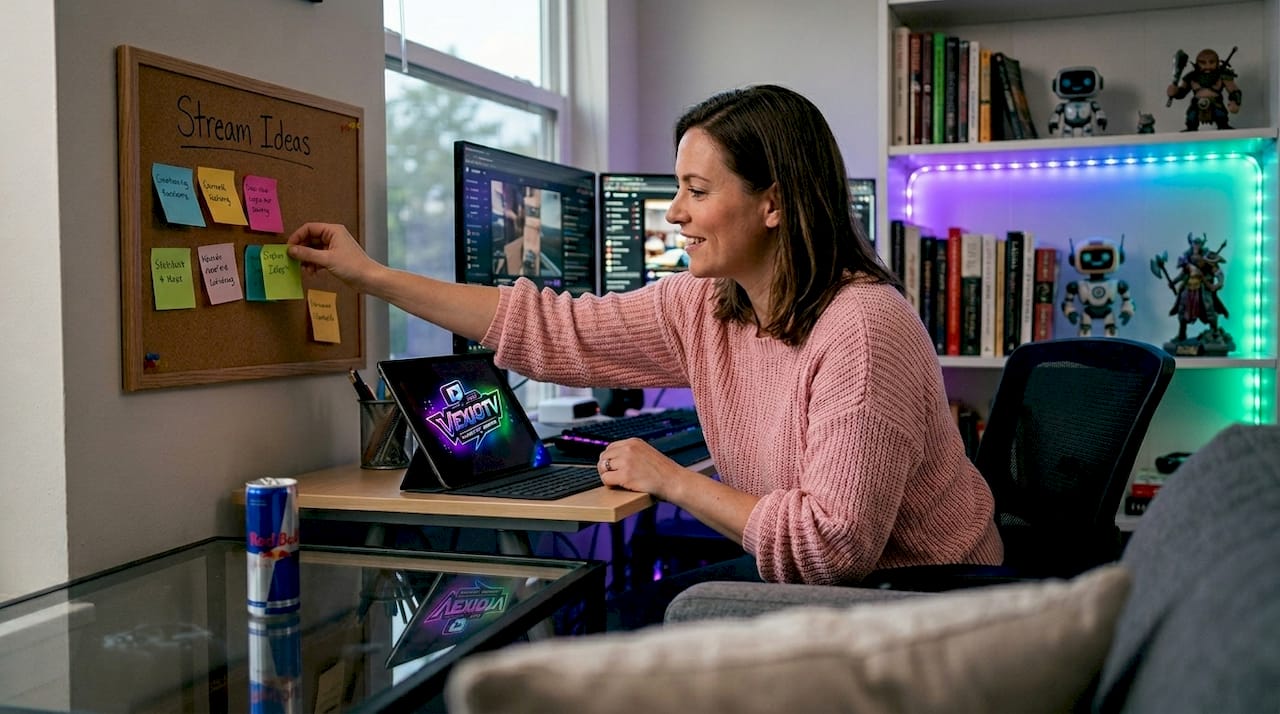
A stream brand is not just a logo. It includes your stream title format, your overlay colors, the type of content you cover, and the tone you use on stream. When these elements change randomly, viewers cannot form expectations, and without expectations, there is no habit.
Signs your brand or schedule needs work:
- You stream different content categories with no clear connection between them
- Your overlays, panels, and profile image do not match visually
- You skip scheduled streams without notice or explanation
- Your stream titles do not follow a recognizable pattern
- Viewers frequently ask what kind of content you make
| Brand element | Brand breaker |
|---|---|
| Fixed weekly schedule | Streaming at random times with no notice |
| Consistent overlay colors and fonts | Changing visual theme every few weeks |
| Clear content niche (gaming, music, IRL) | Switching genres without explanation |
| Recognizable intro or segment structure | Starting streams with no format or plan |
| Matching profile image and banner | Outdated or mismatched channel art |
Exploring different live stream formats can help you settle on a structure that fits your content and is easy to maintain over time.
Missing opportunities for post-stream content and growth
The stream ends, but the content value does not have to. Most streamers treat each session as a standalone event and miss the chance to extend its reach across other platforms. Not saving VODs (video on demand recordings) or clipping highlights is one of the most common growth mistakes.
Here is a comparison of what happens with and without a post-stream content strategy:
| One-and-done stream | Repurposed content approach |
|---|---|
| Content disappears after going offline | VODs stay available for replay |
| No reach beyond live viewers | Clips shared to YouTube, TikTok, or Instagram |
| No record of best moments | Highlights archived and searchable |
| Growth limited to live audience | New viewers discover content days or weeks later |
Follow these four steps to amplify value after each session:
- Save the full VOD immediately after the stream ends
- Clip two to four highlight moments within 24 hours while context is fresh
- Post clips to at least one social platform with a short caption and relevant tags
- Review your stream analytics before your next session to identify what worked
For music streamers, multitrack recording is essential for editing highlights and sharing content beyond the stream. A single live performance can become a YouTube video, a social clip, and a podcast segment with the right recording setup. Check out music streaming growth ideas for more ways to extend your content reach.
Failing to adapt: Ignoring analytics and feedback
Data tells you what your audience actually wants, not what you assume they want. Ignoring analytics is the equivalent of streaming blindfolded. Most platforms provide a basic dashboard showing viewer count over time, average view duration, and chat activity. These three numbers alone can guide significant improvements.
Metrics that matter most:
- Retention rate: Where do viewers drop off? A sharp drop at the 10-minute mark means your opening needs work
- Average view duration: Longer is better, but even small increases signal improvement
- Chat frequency: Low chat activity during certain segments may mean those segments are not connecting
- Peak concurrent viewers: Tells you which time slots and content types attract the most live attention
Simple feedback loops for rapid improvement:
- Ask one direct question at the end of each stream: "What should I do differently next time?"
- Read your VOD comments and clip reactions for recurring themes
- Poll your community monthly on content preferences
- Track one metric per week and set a small improvement target
Continuous improvement via analytics is key for maintaining audience interest. Streamers who review their numbers regularly grow faster than those who rely on instinct alone. The streaming industry rewards creators who adapt, not those who stay comfortable.
What most guides miss about successful streaming
Most streaming advice focuses on gear lists and platform features. That information is useful, but it misses the real factor behind long-term growth: the willingness to be wrong and keep going.
The streamers who build lasting audiences are not the ones with the best microphones. They are the ones who treat every stream as a data point. A low-viewer session is not a failure. It is information. A technical glitch handled calmly on stream often builds more trust than a flawless broadcast, because viewers see a real person solving a real problem.
Perfection is overrated in live streaming. Adaptation is not. The transformation of gaming communities was driven by creators who experimented, failed publicly, and iterated fast. Your unique voice and consistent presence matter more than polished production.
Small, relentless improvements compound over time. Fix one audio issue this week. Add one engagement tactic next week. Review your analytics the week after. That cycle, repeated consistently, produces real growth. No single change will transform your channel overnight, but the cumulative effect of steady adjustments will.
Ready to level up your stream?
You now have a clear picture of what holds streamers back and what to do about it. The next step is putting these fixes into practice on a platform built for creators who want to grow.
VexioTV gives you the tools to go live with one click, build an engaged community, and earn from your content. Whether you stream games, music, or IRL content, the platform is designed to support your growth from day one. Explore the resources available and start boosting engagement with features built to help you avoid the mistakes covered in this article. Sign up and go live today.
Frequently asked questions
What is the most common mistake new streamers make?
Neglecting audio quality is the most common mistake. Poor sound drives viewers away faster than almost any other issue, so prioritize your mic setup and audio routing before anything else.
How can I make my stream more engaging?
Interact often with viewers, use audience polls, and add interactive overlays. Two-way engagement is what separates a stream from a video recording, so make chat participation a core part of your format.
Why is brand consistency important for streaming?
A consistent brand and schedule help viewers know what to expect. Unclear branding and irregular schedules reduce repeat visits because viewers cannot build a habit around something unpredictable.
Should I use analytics to guide my streaming decisions?
Yes. Analytics show you what content retains viewers and where drop-offs happen. Continuous improvement via data is one of the most reliable ways to grow your audience over time.