
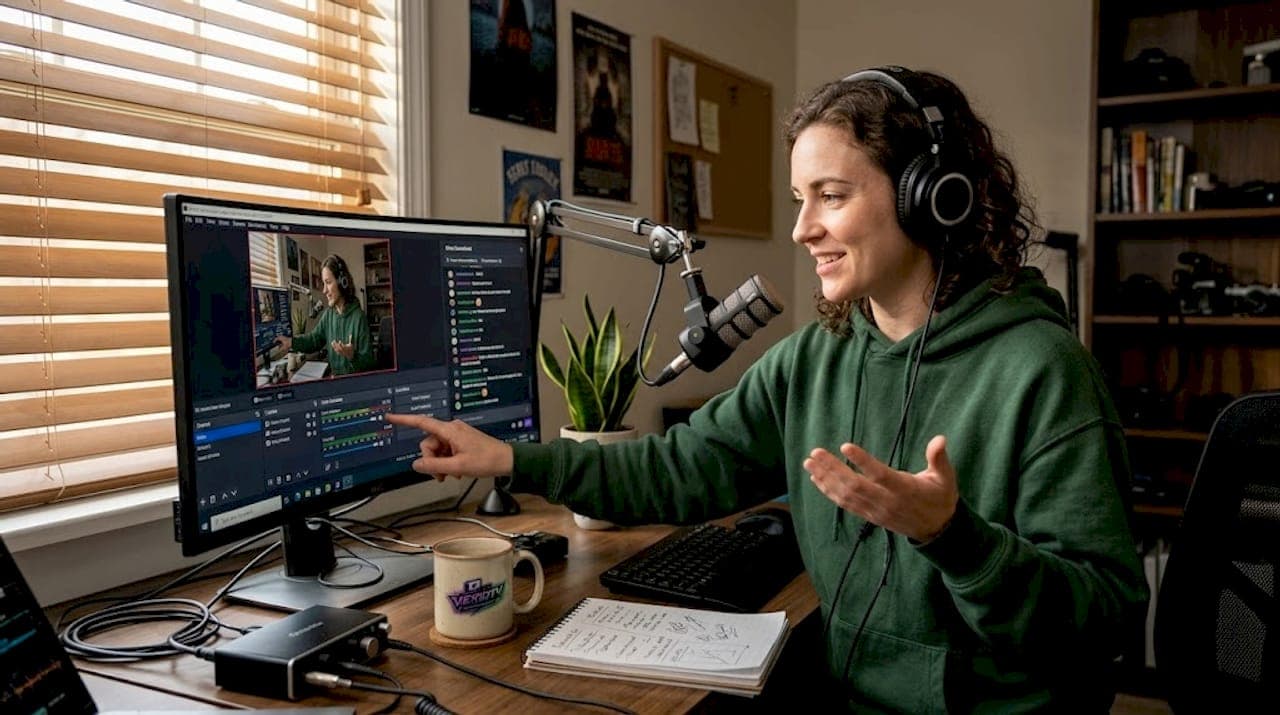
TL;DR:
- Live streaming reaches nearly 27% of global internet users and offers real-time engagement and income opportunities. Choosing the right platform and building community loyalty are key to long-term success. Diversifying monetization methods and prioritizing consistency helps creators sustain growth.
Live streaming is not just for gamers. It reaches 26.8% of global internet users weekly and generated $3.2 billion in revenue in 2026, growing 163% since 2024. Yet many creators still treat it as a secondary tool or assume it requires complex technical skills. It does not. Whether you perform music, create art, host conversations, or game, live streaming offers a direct path to real audiences, real income, and real community. This guide covers what live streaming is, how it works, which platforms to use, and how to build something sustainable from your first stream.
Table of Contents
- Defining live streaming: What it is and why it matters
- How live streaming works: Platforms, technology, and delivery
- Choosing the right platform: Comparing Twitch, YouTube, and more
- Monetization and community: Turning streams into income and engagement
- Getting started: Steps and best practices for new streamers
- Our perspective: The uncomfortable truth about live streaming success
- Discover how VexioTV can support your streaming journey
- Frequently asked questions
Key Takeaways
| Point | Details |
|---|---|
| Live streaming defined | Live streaming means sharing real-time video and audio with an online audience for instant engagement. |
| Choosing a platform | Select your streaming platform based on audience, content type, and monetization features. |
| Tech matters | Understanding protocols, bandwidth, and latency is essential for smooth, high-quality streams. |
| Monetization strategies | Success relies on community loyalty and multiple income sources, not just platform payouts. |
| Start simple, learn fast | Begin with basic equipment, focus on interaction, and improve your streams through feedback and analytics. |
Defining live streaming: What it is and why it matters
Live streaming is broadcasting video and audio content to an online audience in real time. No editing, no post-production, no waiting. What happens on your end goes out immediately to viewers watching from anywhere. That immediacy is what separates it from standard video content.
On-demand video, like a YouTube upload or Netflix series, is polished and pre-recorded. Live streaming is raw and present. Viewers can send messages, react, and interact as events unfold. That difference changes how people engage. Authenticity, immediacy, and community give live streaming a clear edge over pre-recorded content for creators focused on connection.
For creators, the practical benefits are direct:
- Real-time feedback: Viewers tell you what they think as it happens.
- Loyalty building: Regular streams turn casual viewers into consistent followers.
- Monetization access: Donations, subscriptions, sponsorships, and product sales all happen during live sessions.
- Lower production cost: You do not need a film crew or editing software to go live.
"Live streaming closes the gap between creator and audience. It is not about being perfect. It is about being present."
Building live streaming communities takes time, but the engagement you generate from a loyal audience consistently outperforms what most edited videos produce. Viewers who join your stream regularly feel invested in your content. That emotional investment translates directly into support.
The format also rewards consistency. The more you stream, the more your audience knows when to show up. Predictability builds habit, and habit builds community.
How live streaming works: Platforms, technology, and delivery
Knowing what live streaming is, let's break down exactly how it works and where you'll do it.
When you go live, your device captures video and audio. Streaming software (like OBS or a built-in platform tool) encodes that data and sends it to a platform server using a protocol called RTMP (Real-Time Messaging Protocol). From there, the platform converts the stream into a format viewers can receive, typically using HLS or DASH, which are adaptive delivery protocols. These adjust video quality automatically based on each viewer's internet speed.
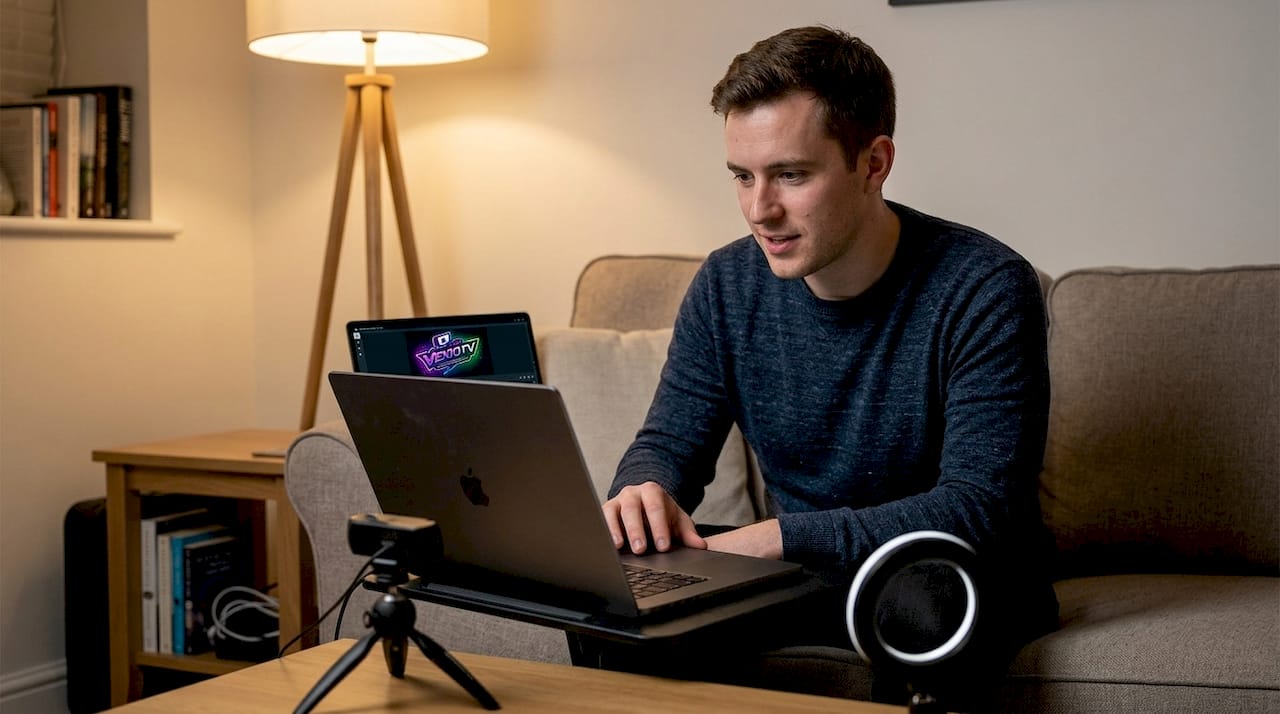
RTMP ingests your stream, HLS and DASH deliver it, and Netflix's 2026 shift to variable bitrate encoding shows how even major platforms are improving efficiency at scale.
Three key terms every streamer should know:
- Latency: The delay between what you do and when viewers see it. Lower is better.
- Bitrate: The volume of data transmitted per second. Higher bitrate means sharper video, but requires more bandwidth.
- Protocol: The communication method used to send and receive streaming data.
| Platform | Market share | Avg. session | ARPU |
|---|---|---|---|
| YouTube Live | 47% | 25.4 min | $12.33 |
| TikTok Live | 30% | 18 min | Varies |
| Twitch | Declining | 95 min (gaming) | Varies |
Platform performance and types of live streams vary widely. The right format and platform together shape your growth potential. Understanding platform differences helps you make a smarter choice from the start.
Pro Tip: Run a test stream before going live publicly. Check your upload speed, confirm your audio levels, and verify your encoding settings. A five-minute test prevents common failures.
Choosing the right platform: Comparing Twitch, YouTube, and more
With a grasp of the technology, it's time to navigate which platform best fits your content and community.
Every major platform has a different focus, audience type, and monetization structure. Picking the wrong one early can slow your growth significantly.
| Platform | Best for | Audience type | Monetization options |
|---|---|---|---|
| YouTube Live | All content types | Broad, search-driven | Ads, memberships, super chats |
| TikTok Live | Short-form, trending | Younger, discovery-driven | Gifts, LIVE subscriptions |
| Twitch | Gaming, IRL | Loyal, niche gaming fans | Subs, bits, ads |
| Instagram Live | Lifestyle, personal brand | Existing follower base | Badges, shopping |
| Facebook Live | Communities, events | Older demographics | Stars, fan subscriptions |
Here is a practical approach to choosing:
- Define your goal: Gaming, music, art, or conversation? Each category has a natural platform home.
- Check your audience fit: Where does your target viewer already spend time?
- Review discoverability: YouTube Live benefits from search; TikTok Live benefits from algorithmic discovery.
- Understand monetization rules: Each platform has different thresholds and policies before you can earn.
YouTube Live holds 47% market share, but market share alone does not determine your success. Twitch, despite declining overall share, still dominates gaming session time.
One risk to take seriously: platform dependency. Algorithms change. Policies shift. A platform that rewards your content today may suppress it next year. Use platforms to reach people, but focus on monetize and grow strategies that do not rely solely on any one service. Understanding platform benefits and limitations gives you more control over your direction.
Monetization and community: Turning streams into income and engagement
Once you've picked a platform, the next step is earning income and building a true fan community.
Scale matters less than loyalty. A stream with 200 highly engaged viewers consistently outperforms one with 2,000 passive ones. Monetization scales with community loyalty over raw volume, and diversifying beyond platform payouts is essential for stability.
Here are the main income streams available to live creators:
- Platform payouts: Ad revenue, bits, stars, and gifts from built-in platform tools.
- Subscriptions: Monthly recurring income from fans who pay for access or perks.
- Donations: Direct one-time payments sent during live sessions.
- Merchandise sales: Physical or digital products promoted during streams.
- Affiliate links: Commission-based earnings from product recommendations.
- Sponsorships: Brand deals activated during your stream.
- Live commerce: Selling products in real time, now driving 20% of e-commerce sales in 2026.
| Revenue type | Effort level | Income potential | Platform-dependent? |
|---|---|---|---|
| Platform payouts | Low | Medium | Yes |
| Subscriptions | Medium | High | Partially |
| Merch sales | High | High | No |
| Sponsorships | Medium | High | No |
| Live commerce | High | Very high | No |
For engagement and income tips specific to artists, or to learn how to boost engagement with chat, real interaction tools make a measurable difference. Music creators can also explore innovative music streaming formats that blend performance with commerce.
Pro Tip: Ask your audience to vote on something during your stream, like which song to play next or which game mode to try. Real-time decisions increase emotional investment and make viewers more likely to return.
Getting started: Steps and best practices for new streamers
Equipped with strategy and tools, here is a clear action plan to launch your own live stream.
- Pick your purpose: Know why you are streaming. Entertainment, education, gaming, music? Purpose shapes all other decisions.
- Choose your platform: Match your content type and target audience to the right service.
- Plan engaging content: Prepare a loose structure. Know your intro, main segment, and how you'll interact with chat.
- Set up your tech: Camera, microphone, streaming software, and a reliable internet connection are the baseline.
- Test before going live: Run a private or unlisted test stream to check audio, video, and connection quality.
Common mistakes to avoid:
- Streaming on slow or unreliable Wi-Fi instead of a wired connection.
- Ignoring your chat and missing the real-time engagement that makes live streaming valuable.
- Not promoting your stream in advance, which results in an empty start.
Technical issues like high latency or unstable bitrate directly harm audience experience, so planning your setup reduces risk before your first broadcast.
After each stream, check your analytics. Watch time, peak viewers, and chat activity tell you what worked. For a more detailed interactive stream setup approach, or to review streaming best practices that improve quality over time, starting with solid fundamentals prevents common early mistakes.
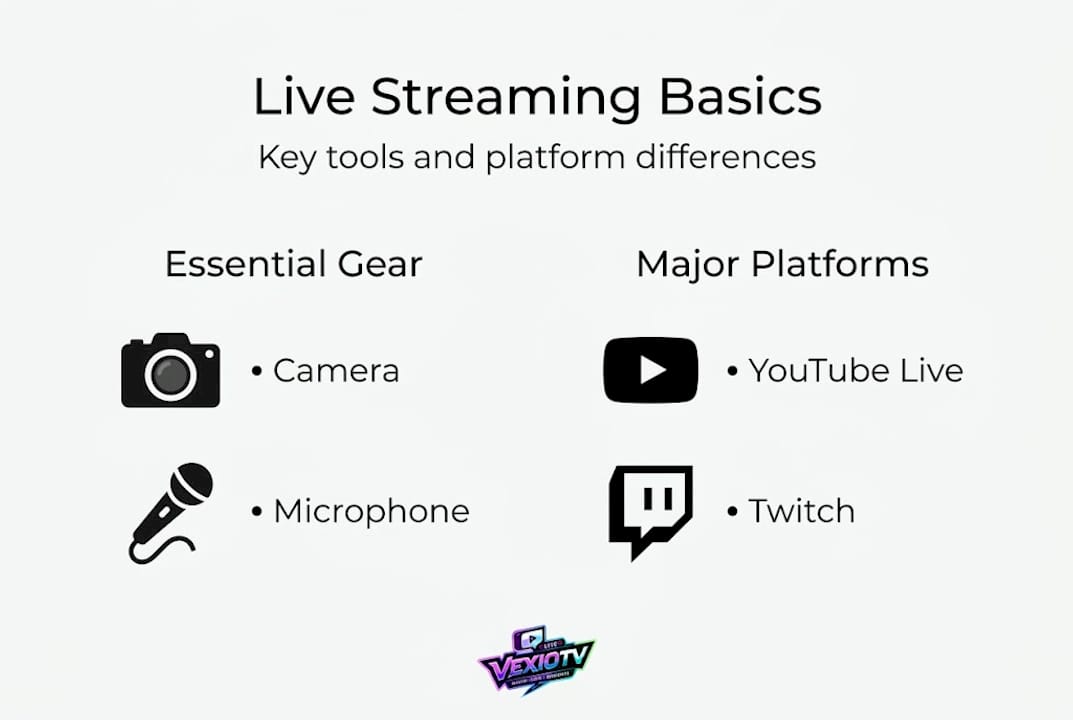
Pro Tip: Use a wired Ethernet connection instead of Wi-Fi whenever possible. It eliminates most connection-related stream drops and keeps your bitrate stable throughout the session.
Our perspective: The uncomfortable truth about live streaming success
Most new streamers focus on the wrong things. They chase algorithms, obsess over follower counts, and stress about streaming software settings before they have even figured out what they want to say. That is the real barrier.
Platform dependency is a genuine risk. Policies change, reach fluctuates, and no platform owes any creator a consistent audience. The creators who build something lasting are the ones who treat their community importance as a priority above everything else, including view counts.
Diversifying income is not optional in 2026. It is the baseline strategy. Relying on one platform's payout system is like renting without building equity. Merch, subscriptions, sponsorships, and live commerce give you real financial control.
Expect a slow start. Most streamers see minimal traction in the first three to six months. That is normal. Consistency and real interaction compound over time. Focus less on perfection and more on showing up. Your audience will find you if you keep going.
Discover how VexioTV can support your streaming journey
If you are ready to go live, build your audience, and start earning, having the right platform behind you makes a real difference.
VexioTV is built for creators in entertainment, gaming, music, and IRL content. It offers a one-click go-live experience, community tools, and integrated monetization features designed to help both new and established streamers grow without friction. Whether you are launching your first stream or looking for a more creator-focused alternative, VexioTV gives you the tools and the space to build something real. Sign up, go live, and see what your community looks like.
Frequently asked questions
What equipment do I need to start live streaming?
You'll need a camera, microphone, streaming software, and a stable high-speed internet connection. Wired Ethernet avoids latency issues and technical interruptions that commonly affect new streamers.
Which streaming platform is best for growing an engaged audience?
YouTube Live leads with 47% global market share, but the best platform depends on your content type. Twitch, TikTok Live, and Instagram Live each serve different niches and audience behaviors.
How do streamers make money from live streaming?
Streamers earn through platform payouts, subscriptions, donations, merch sales, affiliate links, and sponsorships. Live commerce drives 20% of e-commerce sales in 2026, making it an increasingly valuable income channel.
What's the biggest mistake new live streamers make?
Depending on a single platform for growth and income is the most common error. Platform loyalty shifts and policy changes can cut your reach overnight. Building a loyal community and multiple revenue streams protects your long-term success.